
What to Eat to Speed Up Your Metabolism After Delivery
Bringing a new life into the world is an incredible experience, but it also puts your body through significant changes. Postpartum, many mothers find themselves wondering how to regain their energy, shed any lingering baby weight, and, importantly, how to get their metabolism back on track. While there's no magic bullet, certain foods can play a crucial role in jumpstarting your metabolic rate and supporting your recovery. So, let's dive into a delicious and nutritious guide on what to eat to speed up your metabolism after delivery.
Understanding Metabolism and Postpartum Changes
Metabolism is the chemical process by which your body converts food and drinks into energy. It's essential for everything from breathing to digesting to thinking. During pregnancy, your metabolic rate naturally increases to support the growing baby. However, after delivery, things shift. Hormonal changes, sleep deprivation, and altered activity levels can all impact your metabolic rate.
It's important to remember that every woman's body responds differently to pregnancy and childbirth. There is no one-size-fits-all approach, and patience is key. Focus on nourishing your body with wholesome foods, rather than restrictive dieting. This will not only help boost your metabolism, but also support your overall well-being during this demanding period. And don't forget to consult with your healthcare provider or a registered dietitian for personalized advice.
The Power of Protein: BuildingBlocks for a Faster Metabolism
Protein is your best friend when it comes to boosting your metabolism. It has a high thermic effect, meaning your body burns more calories digesting protein compared to carbohydrates or fats. This metabolic boost can contribute to weight management and increased energy levels.
Why Protein is Crucial Postpartum:
- Muscle Repair: Childbirth, whether vaginal or via C-section, can cause muscle damage. Protein helps repair and rebuild these tissues.
- Satiety: Protein keeps you feeling fuller for longer, reducing cravings and preventing overeating.
- Metabolic Boost: As mentioned, the thermic effect of protein helps stimulate your metabolism.
Top Protein Sources to Include:
- Lean Meats: Chicken breast, turkey, lean beef cuts (like sirloin).
- Fish: Salmon (rich in Omega-3s!), tuna, cod, trout.
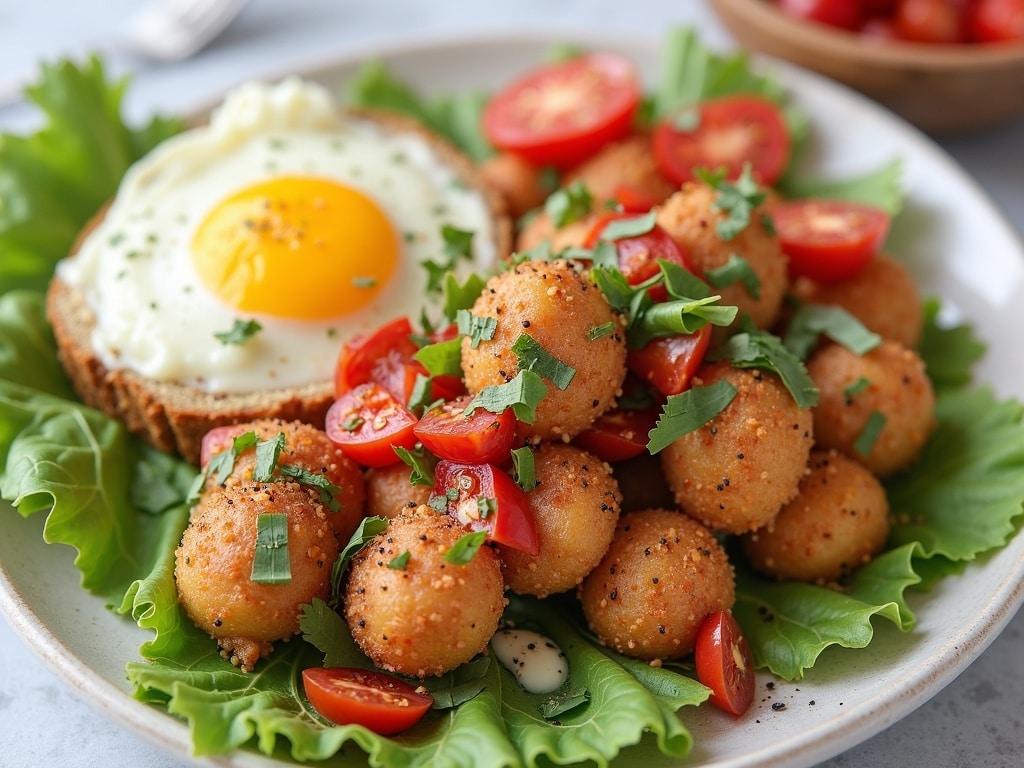
- Eggs: A complete protein source, packed with nutrients.
- Greek Yogurt: Choose plain, unsweetened varieties and add your own fruit or a drizzle of honey.
- Legumes: Lentils, beans (black beans, kidney beans, chickpeas).
- Tofu and Tempeh: Plant-based protein options that can be used in stir-fries, salads, or grain bowls.
- Nuts and Seeds: Almonds, walnuts, chia seeds, flax seeds (in moderation due to calorie density).
Fiber-Rich Foods: Your Digestive System's Best Friend
Fiber is another key player in supporting a healthy metabolism and overall postpartum recovery. It helps regulate blood sugar levels, promotes healthy digestion, and contributes to feelings of fullness.
Benefits of Fiber Postpartum:
- Improved Digestion: Constipation is a common issue after delivery. Fiber helps regulate bowel movements.
- Blood Sugar Control: Fiber helps stabilize blood sugar levels, preventing energy crashes and cravings.
- Satiety: Like protein, fiber contributes to feeling full and satisfied after meals.
- Gut Health: Fiber feeds beneficial gut bacteria, which play a role in metabolism and overall health.
Excellent Sources of Fiber:
- Fruits: Berries, apples, pears (eat the skin for maximum fiber).
- Vegetables: Broccoli, spinach, Brussels sprouts, carrots.
- Whole Grains: Oats, quinoa, brown rice, whole-wheat bread.
- Legumes: Again, lentils, beans, and chickpeas are excellent sources of both protein and fiber.
- Chia Seeds and Flax Seeds: Add these to smoothies, yogurt, or oatmeal for a fiber boost.
Hydration: The Underestimated Metabolic Booster
Staying adequately hydrated is essential for all bodily functions, including metabolism. Water helps transport nutrients, regulates body temperature, and aids in waste removal. Dehydration can slow down your metabolism, leaving you feeling sluggish and tired.
Why Hydration Matters Postpartum:
- Metabolic Function: Water is necessary for optimal metabolic processes.
- Breast Milk Production: If you're breastfeeding, staying hydrated is crucial for milk production.
- Energy Levels: Dehydration can lead to fatigue and decreased energy.
- Bowel Regularity: Water helps prevent constipation.
Tips for Staying Hydrated:
- Carry a Water Bottle: Keep a water bottle with you and sip throughout the day.
- Set Reminders: Use your phone or an app to remind you to drink water.
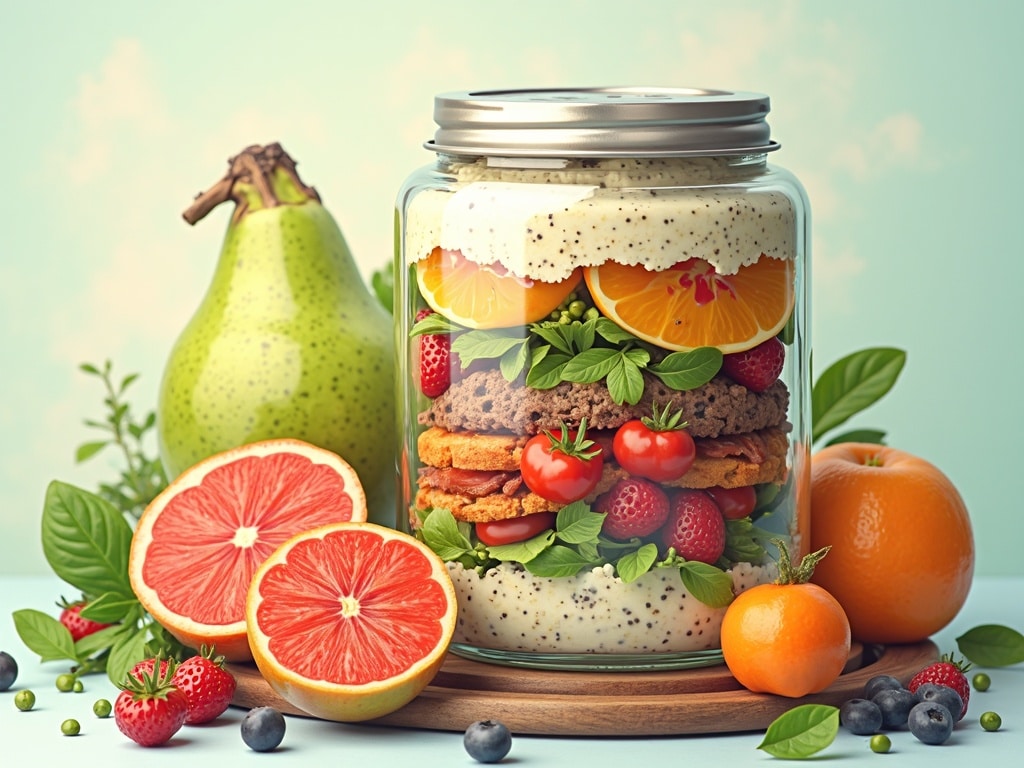
- Infuse Your Water: Add fruits like lemon, cucumber, or berries to make water more appealing.
- Eat Water-Rich Foods: Watermelon, cucumbers, and celery can contribute to your overall hydration.
- Listen to Your Body: Drink when you feel thirsty.
Foods that Give Your Metabolism an Extra Kick
While protein, fiber, and hydration form the foundation for a healthy metabolism, certain foods contain compounds that can give it an extra boost. These foods can be incorporated into your diet in moderation to support your metabolic goals.
Metabolism-Boosting Foods:
- Chili Peppers: Capsaicin, the compound that gives chili peppers their heat, can temporarily increase metabolism and fat burning. Add a pinch of cayenne pepper to your meals, or use hot sauce sparingly.
- Green Tea: Green tea contains antioxidants called catechins, which may help boost metabolism and fat burning. Enjoy a cup or two of green tea daily.
- Ginger: Ginger has anti-inflammatory properties and can help improve digestion and metabolism. Grate fresh ginger into your stir-fries, soups, or teas.
- Coffee: The caffeine in coffee can temporarily increase your metabolism and energy levels. However, be mindful of your caffeine intake, especially if you're breastfeeding, as it can affect your baby.
- Apple Cider Vinegar: Some studies suggest that apple cider vinegar may help improve insulin sensitivity and promote weight loss. Dilute a tablespoon of apple cider vinegar in water and drink it before meals.
Sample Meal Plan for a Postpartum Metabolism Boost
Here's a sample meal plan incorporating the foods mentioned above. Remember to adjust portion sizes based on your individual needs and activity level. And consult with a healthcare professional or registered dietitian for personalized recommendations.
| Meal | Example Foods |
|---|---|
| Breakfast | Oatmeal with berries and nuts, Greek yogurt with fruit and chia seeds, Scrambled eggs with spinach and whole-wheat toast |
| Lunch | Salad with grilled chicken or fish, Lentil soup with whole-grain bread, Turkey and avocado wrap on whole-wheat tortilla |
| Dinner | Baked salmon with roasted vegetables, Chicken stir-fry with brown rice, Lean beef and vegetable stew |
| Snacks | Hard-boiled eggs, Apple slices with almond butter, Greek yogurt, Handful of nuts and seeds |
Beyond Food: Lifestyle Factors for a Faster Metabolism
While diet plays a crucial role in boosting metabolism after delivery, it's essential to consider other lifestyle factors that can influence your metabolic rate:
- Prioritize Sleep: Sleep deprivation can disrupt hormones and slow down your metabolism. Aim for at least 7-8 hours of sleep per night, even if it means napping when the baby naps.
- Manage Stress: Chronic stress can increase cortisol levels, which can lead to weight gain and a slower metabolism. Practice stress-reducing activities like yoga, meditation, or spending time in nature.
- Incorporate Exercise: Regular physical activity helps build muscle mass, which increases your metabolism. Start with gentle exercises like walking, swimming, or prenatal yoga, and gradually increase intensity as you feel stronger. Always consult with your doctor before starting any new exercise program postpartum.
- Consider Breastfeeding: Breastfeeding burns extra calories, which can help boost your metabolism and promote weight loss.
Important Considerations and Cautions
It's crucial to reiterate that postpartum recovery is a unique and individual process. Be kind to yourself and avoid putting undue pressure on yourself to lose weight quickly. Focus on nourishing your body with wholesome foods, staying hydrated, and getting enough rest.
Consult Your Healthcare Provider: Always consult with your doctor or a registered dietitian before making significant changes to your diet or exercise routine, especially if you have any underlying health conditions.
Beware of Fad Diets: Avoid restrictive diets or weight-loss supplements that promise quick results. These can be harmful to your health and may interfere with breastfeeding.
Listen to Your Body: Pay attention to your body's signals and adjust your diet and activity levels accordingly. If you're feeling tired or overwhelmed, don't hesitate to ask for help.
The Takeaway: Nourish, Nurture, and Be Patient
Boosting your metabolism after delivery is a journey, not a race. Focus on incorporating nutrient-rich foods into your diet, staying hydrated, prioritizing sleep, managing stress, and engaging in regular physical activity. Remember to be patient with yourself and celebrate your body's amazing ability to grow and nurture a new life. By nourishing your body from the inside out, you'll not only speed up your metabolism but also support your overall well-being during this special time.