

What to Eat After a C-Section: A Guide to Healing and Recovery
So, you’ve just welcomed a new life into the world through a C-section. Congratulations! Now, as you embark on this incredible journey of motherhood, it’s crucial to nurture your body with the right foods. Recovery after a C-section isn't just about rest; it's deeply intertwined with nutrition. What you eat can significantly impact healing, energy levels, and even your milk supply if you’re breastfeeding. Let's dive into the specifics of what to eat after a C-section to support your recovery and well-being.
Why Nutrition Matters After a C-Section
Undergoing a C-section is major surgery. Your body needs the right building blocks to repair tissues, fight off infection, and regain strength. Good nutrition also combats constipation (a common post-surgical issue), boosts your mood, and provides the energy you need to care for your newborn. If you are breastfeeding, the food you consume directly impacts the quality and quantity of your milk. Think of your diet as your recovery roadmap – follow it wisely, and you’ll be back on your feet in no time.
The Foundation: Prioritizing Key Nutrients
Focus on incorporating these essential nutrients into your post-C-section diet:
- Protein: Crucial for tissue repair and muscle building. Think lean meats, poultry, fish, eggs, beans, lentils, nuts, and seeds.
- Iron: Helps replenish blood loss during surgery and prevents anemia. Good sources include red meat, spinach, fortified cereals, and beans. Pair iron-rich foods with vitamin C to enhance absorption.
- Calcium: Important for bone health, nerve function, and milk production if you're breastfeeding. Dairy products, leafy green vegetables, fortified plant-based milk, and tofu are excellent sources.
- Vitamin C: An antioxidant that supports wound healing and boosts your immune system. Citrus fruits, berries, bell peppers, and broccoli are packed with vitamin C.
- Fiber: Helps prevent constipation, a common issue after surgery due to pain medication and decreased mobility. Whole grains, fruits, vegetables, and legumes are rich in fiber.
- Healthy Fats: Essential for hormone production, brain function, and nutrient absorption. Avocados, nuts, seeds, olive oil, and fatty fish like salmon are excellent choices.
Foods to Embrace After Your C-Section
Let’s translate those nutrients into delicious and practical food choices:
Protein Powerhouses
- Chicken Soup: A classic for a reason! It's comforting, hydrating, and provides easily digestible protein.
- Salmon: Rich in omega-3 fatty acids and protein, it supports healing and reduces inflammation.
- Eggs: A complete protein source that's versatile and easy to prepare.
- Greek Yogurt: Packed with protein and probiotics, which can aid digestion.
- Lentil Soup: A vegetarian protein option that's also high in fiber.
Iron-Rich Options
- Lean Red Meat: If you're not vegetarian, lean red meat is an excellent source of iron.
- Spinach Salad: Combine spinach with vitamin C-rich fruits like strawberries or oranges to maximize iron absorption.
- Fortified Cereals: A quick and easy way to boost your iron intake, especially if you're short on time.
- Beans: Kidney beans, black beans, and chickpeas are all good sources of iron and fiber.
Calcium Champions
- Dairy Products: Milk, yogurt, and cheese are excellent sources of calcium.
- Leafy Green Vegetables: Kale, collard greens, and spinach provide calcium and other essential nutrients.
- Fortified Plant-Based Milk: Almond milk, soy milk, and oat milk are often fortified with calcium and vitamin D.
- Tofu: A versatile plant-based protein source that's also rich in calcium.
Vitamin C Boosters
- Citrus Fruits: Oranges, grapefruits, and lemons are packed with vitamin C.
- Berries: Strawberries, blueberries, and raspberries are delicious and antioxidant-rich.
- Bell Peppers: Red, yellow, and orange bell peppers are excellent sources of vitamin C.
- Broccoli: A cruciferous vegetable that's packed with vitamins, minerals, and fiber.
Fiber-Filled Favorites
- Oatmeal: A great way to start your day with fiber and sustained energy.
- Whole Grain Bread: Choose whole grain bread over white bread for added fiber.
- Fruits and Vegetables: Aim for a variety of colorful fruits and vegetables throughout the day.
- Legumes: Beans, lentils, and peas are excellent sources of fiber and protein.
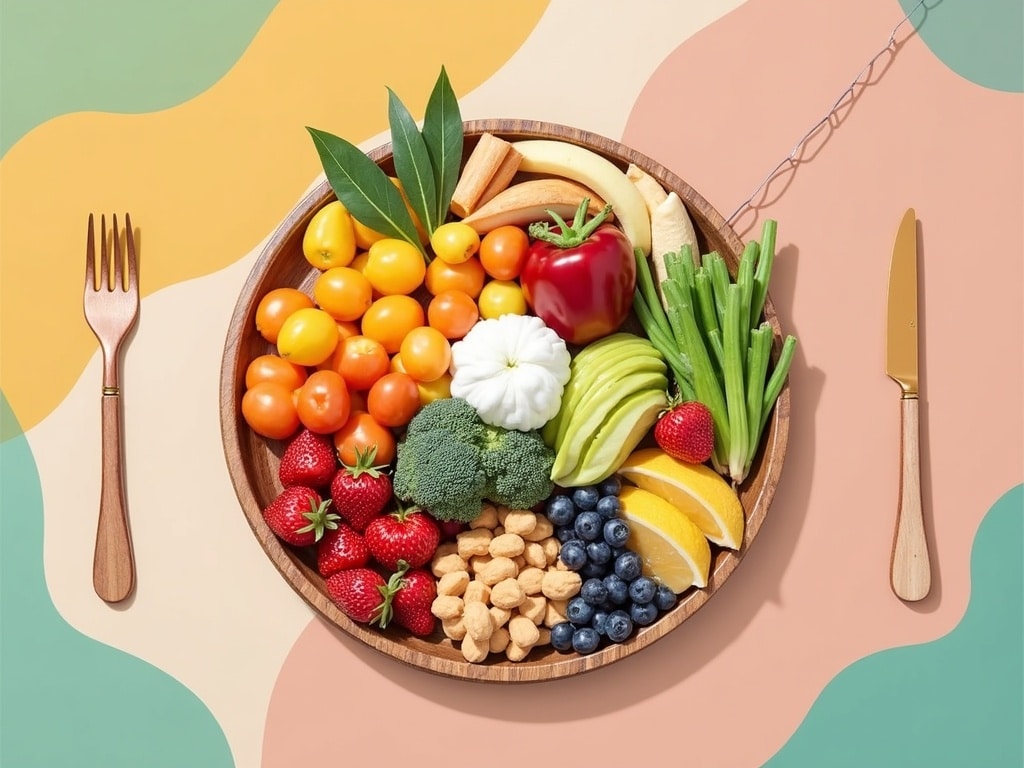
Healthy Fat Sources
- Avocados: A creamy and delicious source of healthy fats and fiber.
- Nuts and Seeds: Almonds, walnuts, chia seeds, and flaxseeds are packed with healthy fats, protein, and fiber.
- Olive Oil: Use olive oil for cooking and salad dressings.
- Fatty Fish: Salmon, tuna, and mackerel are rich in omega-3 fatty acids, which are beneficial for both you and your baby if you're breastfeeding.
Hydration is Key
Staying hydrated is just as vital as eating well after a C-section. Water helps with everything from digestion to milk production. Aim to drink at least eight glasses of water a day. You can also include hydrating foods like fruits, vegetables, and soups in your diet. Avoid sugary drinks, as they can hinder healing and provide empty calories.
Foods to Limit or Avoid
While focusing on nutrient-rich foods is essential, it's also important to be mindful of what to limit or avoid after a C-section:
- Processed Foods: These are often high in sodium, sugar, and unhealthy fats, which can hinder healing and contribute to constipation.
- Sugary Drinks: Sodas, juices, and sweetened beverages can cause blood sugar spikes and crashes and offer little nutritional value.
- High-Fat Foods: While healthy fats are important, consuming excessive amounts of unhealthy fats can slow down digestion and contribute to discomfort.
- Caffeinated Beverages: Limit caffeine intake, especially if you're breastfeeding, as it can interfere with your baby's sleep.
- Alcohol: Avoid alcohol altogether, especially if you're taking pain medication or breastfeeding.
- Gas-Producing Foods: Some foods like beans, broccoli, and cabbage can cause gas and bloating, which can be uncomfortable after surgery. Introduce these foods gradually and see how your body reacts.
Sample Meal Plan for Post-C-Section Recovery
Here's a sample meal plan to give you an idea of what a balanced post-C-section diet might look like:
- Breakfast: Oatmeal with berries and nuts, or a Greek yogurt parfait with fruit and granola.
- Lunch: Chicken soup with whole grain bread, or a spinach salad with grilled salmon and avocado.
- Dinner: Baked salmon with roasted vegetables, or lentil soup with a side salad.
- Snacks: Hard-boiled eggs, fruit, nuts, or a small bowl of yogurt.
Navigating Common Post-C-Section Challenges with Food
Several common challenges can arise after a C-section, and dietary adjustments can help manage them:
Constipation
Increase your fiber intake by eating plenty of fruits, vegetables, and whole grains. Drink plenty of water and consider a mild stool softener if needed (consult your doctor first). Prunes and prune juice can also be helpful.
Gas and Bloating
Avoid gas-producing foods and eat smaller, more frequent meals. Drink peppermint tea, which can help soothe the digestive system. Gentle movement, like walking, can also help relieve gas.
Low Energy Levels
Eat regular meals and snacks to maintain stable blood sugar levels. Focus on nutrient-dense foods that provide sustained energy, such as complex carbohydrates, protein, and healthy fats. Avoid sugary snacks and drinks that can lead to energy crashes. Consider speaking with a registered dietitian to explore your options with meal replacement shakes like Kate Farms [externalLink insert].
Breastfeeding Support
If you're breastfeeding, ensure you're getting enough calories and fluids to support milk production. Continue to prioritize protein, calcium, and healthy fats. Some foods, like oatmeal, fennel, and brewer's yeast, are believed to promote lactation. Remember that every woman's body is different, so listen to your body and adjust your diet as needed.
Listen to Your Body and Consult Your Doctor
Every woman's recovery journey is unique. Pay attention to how your body responds to different foods and adjust your diet accordingly. If you have any concerns or specific dietary needs, consult your doctor or a registered dietitian. They can provide personalized recommendations to support your healing and well-being.
The Bottom Line
Nourishing your body with the right foods after a C-section is an act of self-care that can significantly impact your recovery. By prioritizing key nutrients, embracing whole foods, and listening to your body, you can support healing, boost energy levels, and embrace this new chapter of motherhood with strength and vitality. Remember, you've got this!