
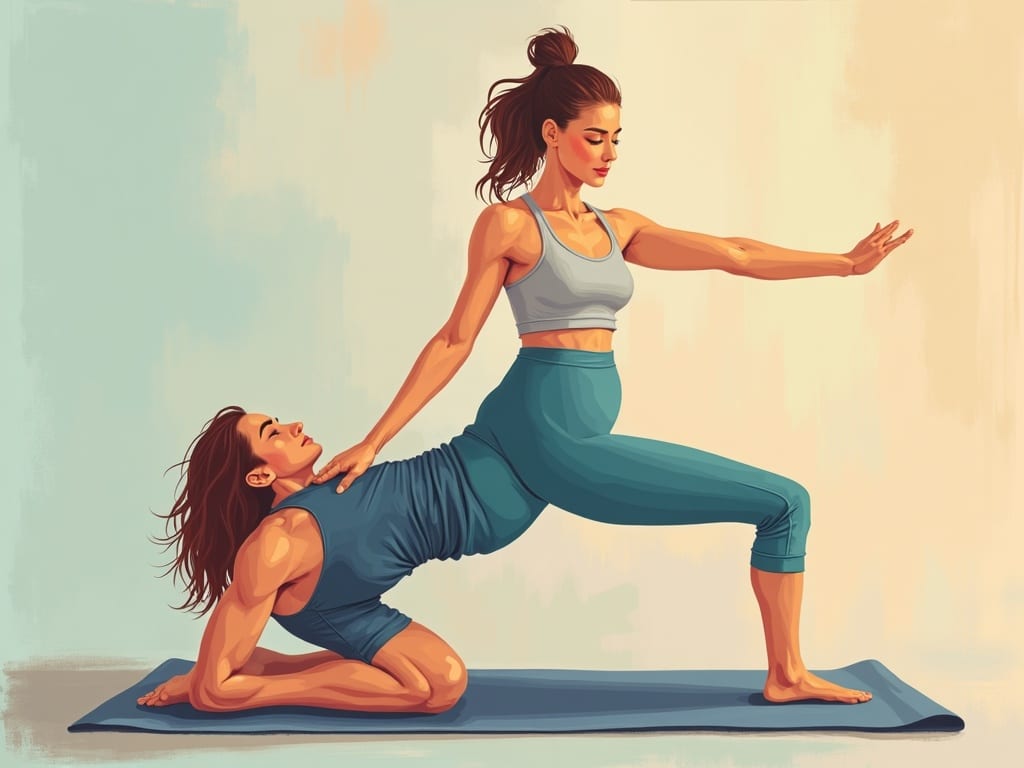
Regaining Your Range: A Guide to Improving Flexibility After Pregnancy
Pregnancy is a transformative journey, a marathon of physical and emotional changes that leaves its mark long after the finish line. While the joy of holding your newborn is unparalleled, many women find themselves facing a new reality: a body that feels stiff, achy, and less flexible than before. The good news? You can reclaim your pre-pregnancy flexibility (and maybe even surpass it!) with a targeted and mindful approach. This guide will walk you through understanding the changes your body underwent, safe and effective exercises, and crucial considerations for your postpartum flexibility journey.
Understanding Postpartum Flexibility Challenges
Pregnancy hormones, particularly relaxin, are designed to loosen ligaments and joints to accommodate a growing baby and prepare the body for childbirth. While essential for pregnancy, relaxin's lingering presence postpartum can contribute to joint instability and a feeling of looseness, making injuries more likely if you overstretch. Furthermore, the postural changes during pregnancy – the shifted center of gravity, the added weight in the abdomen – can lead to muscle imbalances and tightness, especially in the lower back, hips, and chest. Finally, the physical demands of labor and delivery, whether vaginal or cesarean, can strain muscles and connective tissues.
Other factors contribute to reduced flexibility postpartum, including:
- Lack of Sleep: Exhaustion can increase muscle tension.
- Breastfeeding: Poor posture while nursing can exacerbate upper back and neck stiffness.
- Repetitive Movements: Caring for a newborn often involves repetitive bending, lifting, and carrying.
- Scar Tissue (Cesarean Birth): Scar tissue from a C-section can restrict movement and flexibility in the abdomen and surrounding areas.
When to Start: Listening to Your Body
Patience is key. Before diving into a new flexibility routine, it's crucial to get the green light from your doctor or midwife, typically around six weeks postpartum, or later if you had a C-section or experienced complications. Even with medical clearance, pay close attention to your body's signals. Start slowly and gently, and don't push yourself beyond your comfort zone. Postpartum is *notthe time to force your body into extreme positions. Focus on gentle movements and gradually increasing your range of motion.
Safe and Effective Flexibility Exercises
The following exercises are generally safe and effective for improving flexibility after pregnancy. Remember to breathe deeply throughout each exercise and stop if you feel any pain.
Gentle Stretching
- Cat-Cow Pose: This yoga pose gently mobilizes the spine, improving flexibility in the back and abdomen. Start on your hands and knees, with your wrists under your shoulders and your knees under your hips. As you inhale, drop your belly towards the floor, arch your back, and lift your head (cow pose). As you exhale, round your spine towards the ceiling, tuck your chin to your chest, and draw your belly button towards your spine (cat pose). Repeat 5-10 times.
- Pelvic Tilts: This exercise strengthens the core and improves lower back flexibility. Lie on your back with your knees bent and your feet flat on the floor. Gently tilt your pelvis upward, pressing your lower back into the floor. Hold for a few seconds, then release. Repeat 10-15 times.
- Knee-to-Chest Stretch: This stretch targets the lower back and hips. Lie on your back with your knees bent and your feet flat on the floor. Gently pull one knee towards your chest, holding it with your hands. Hold for 20-30 seconds, then repeat on the other side. Repeat 2-3 times on each side.
- Shoulder Rolls: These relieve tension in the upper back and shoulders. Sit or stand with your arms relaxed at your sides. Gently roll your shoulders forward in a circular motion, then backward. Repeat 10-15 times in each direction.
- Neck Stretches: These alleviate neck stiffness. Gently tilt your head to one side, bringing your ear towards your shoulder. Hold for 20-30 seconds, then repeat on the other side. You can also gently rotate your head from side to side.
Yoga and Pilates
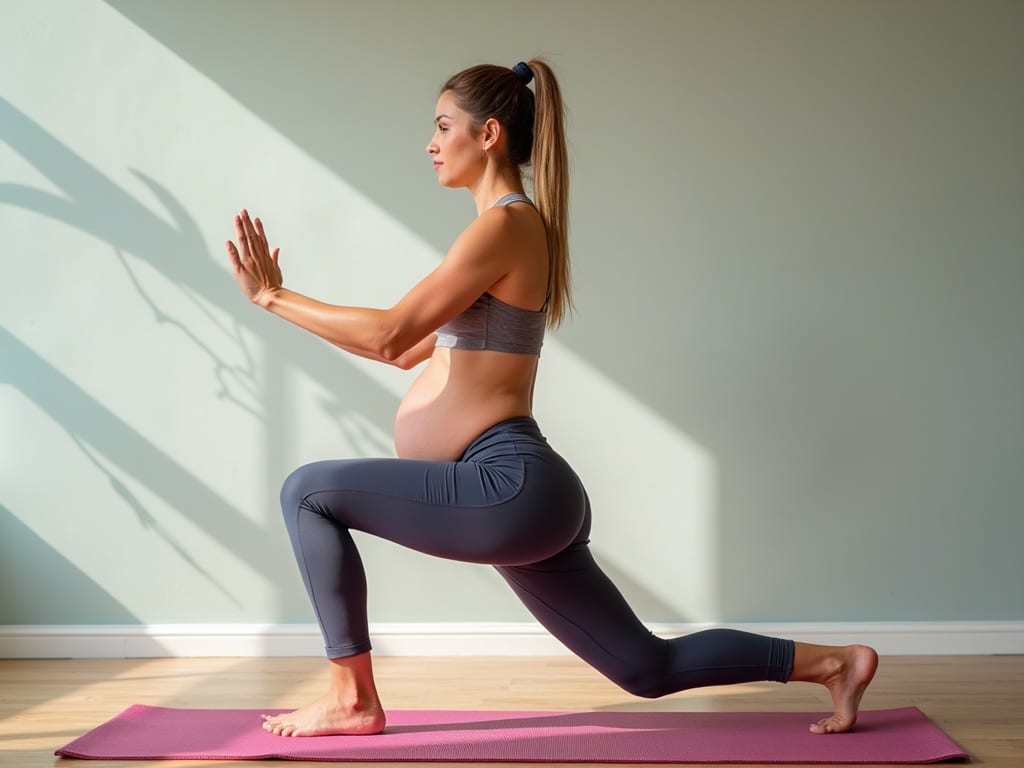
Yoga and Pilates are excellent for improving flexibility, strength, and core stability postpartum. Look for classes specifically designed for postpartum women, or modify poses to suit your individual needs and limitations. Avoid any poses that put pressure on your abdomen or feel uncomfortable.
Good options include:
- Child’s Pose
- Downward-Facing Dog (modify with bent knees)
- Warrior II (focus on alignment and stability)
- Bird Dog
- Clam Shells
Foam Rolling
Foam rolling can help release muscle tension and improve flexibility. Focus on areas that tend to be tight postpartum, such as the back, hips, and legs. Roll slowly and gently, and stop if you feel any sharp pain. Some good areas to target:
- Quadriceps
- Hamstrings
- Calves
- Upper Back
- Glutes
Dynamic Stretching
Dynamic stretches involve controlled movements that gradually increase your range of motion. These are best done *aftera gentle warm-up, like light cardio or static stretching. Examples include:
- Leg Swings: Stand holding onto a chair or wall for support. Swing one leg forward and backward, gradually increasing the range of motion. Repeat 10-15 times on each leg.
- Arm Circles: Stand with your feet shoulder-width apart. Make small circles with your arms, gradually increasing the size of the circles. Repeat 10-15 times in each direction.
- Torso Twists: Stand with your feet shoulder-width apart and your hands on your hips. Gently twist your torso from side to side, keeping your core engaged. Repeat 10-15 times on each side.
Important Considerations for Postpartum Flexibility
- Diastasis Recti: Diastasis recti, the separation of the abdominal muscles, is common after pregnancy. Certain exercises can worsen this condition, so it's essential to check for diastasis recti and modify your exercise routine accordingly. Consult with a physical therapist or certified postpartum fitness instructor for guidance. Avoid traditional crunches and planks until your diastasis recti has healed.
- Pelvic Floor Health: Pregnancy and childbirth can weaken the pelvic floor muscles. Incorporate pelvic floor exercises (Kegels) into your daily routine to strengthen these muscles and support your core.
- Cesarean Scar Tissue: If you had a C-section, scar tissue can restrict movement and flexibility. Gentle massage of the scar can help break up adhesions and improve mobility. Consult with a physical therapist for guidance on scar mobilization techniques.
- Hydration: Staying hydrated is crucial for muscle health and flexibility. Drink plenty of water throughout the day.
- Nutrition: A balanced diet provides the nutrients your body needs to repair and rebuild after pregnancy. Focus on whole, unprocessed foods, including plenty of fruits, vegetables, and lean protein.
- Rest and Recovery: Adequate rest is essential for muscle recovery and overall well-being. Prioritize sleep and listen to your body's signals. Don't push yourself too hard, especially in the early postpartum period.
Listen to Your Body: A Guiding Principle
The most important aspect of improving flexibility after pregnancy is listening to your body. Every woman's postpartum journey is unique, and there's no one-size-fits-all approach. Be patient with yourself, celebrate small victories, and don't be afraid to modify exercises or seek professional guidance when needed. Remember, it took nine months for your body to change, so it will take time to recover and regain your flexibility. With consistency and a gentle approach, you can reclaim your range of motion and feel strong and confident in your postpartum body.