
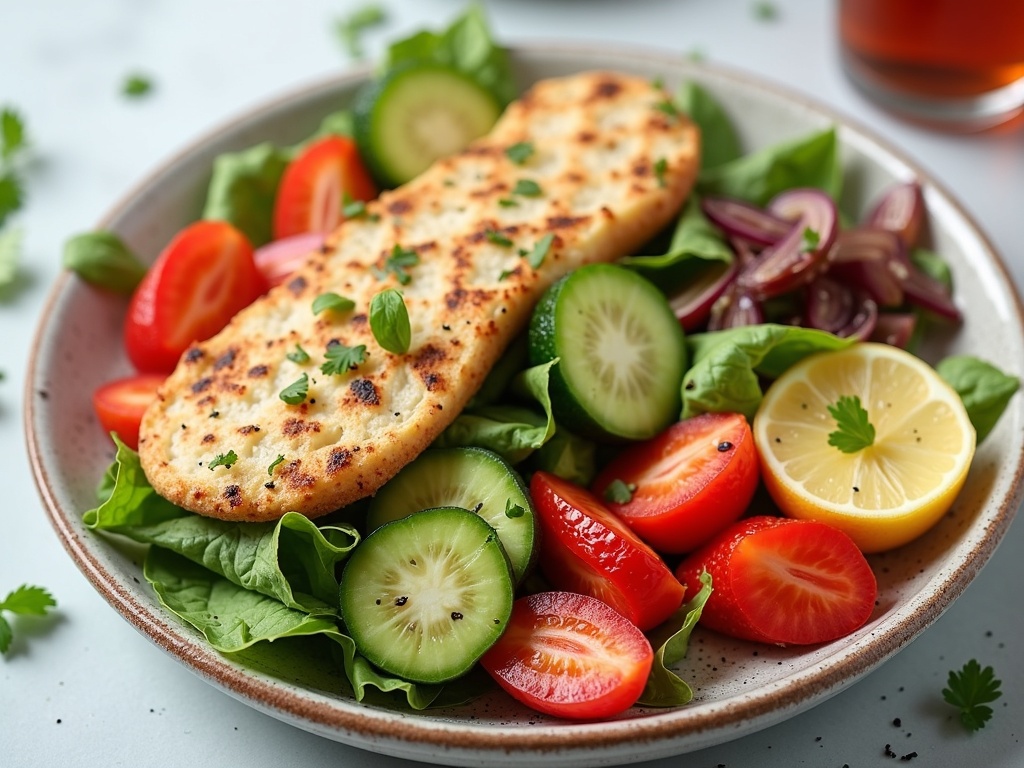
Postpartum Meal Prep Ideas: Nourishing Your Body After Baby
Bringing a new life into the world is a joyous, transformative experience. But let's be real: those first few weeks (or months!) postpartum can feel like a blur of sleepless nights, endless diaper changes, and navigating a whole new world of parenthood. In the midst of it all, nourishing yourself often falls to the bottom of the priority list. That's where postpartum meal prep comes in – a sanity-saving strategy to ensure you're getting the vital nutrients you need to recover, heal, and have the energy to care for your little one. Get ready to discover easy and delicious postpartum meal prep ideas that will nourish your body and soul during this precious time.
Why Postpartum Meal Prep is Essential
The postpartum period is a time of significant physical and emotional recovery. Your body has just undergone a major event, and it needs the right fuel to heal and rebuild. Here's why investing in postpartum meal prep is so important:
- Nutrient Replenishment: Pregnancy depletes your body of essential nutrients. Postpartum meal prep allows you to focus on incorporating nutrient-dense foods that support recovery and overall well-being.
- Energy Boost: Caring for a newborn is exhausting! Having healthy, readily available meals and snacks provides sustained energy to combat fatigue.
- Supports Breastfeeding: If you're breastfeeding, your nutritional needs are even higher. Meal prepping ensures you're getting the calories and nutrients necessary to produce a sufficient milk supply.
- Mental Health: Healthy eating can positively impact your mood and mental well-being, which is crucial during a time when hormonal fluctuations and sleep deprivation can take their toll.
- Saves Time and Stress: Let's face it, the last thing you want to do with a newborn is spend hours in the kitchen. Meal prep eliminates the daily what's for dinner? dilemma and frees up precious time for bonding with your baby and resting.
Getting Started with Postpartum Meal Prep
The thought of meal prepping with a baby on the way might seem overwhelming, but it doesn't have to be! Here's a step-by-step guide to make the process manageable:
1. Plan Ahead (Before the Baby Arrives!)
Ideally, start planning your postpartum meals in the weeks leading up to your due date. This will allow you to stock your pantry and freezer before life gets too hectic.
- Create a Meal Plan: Choose 5-7 breakfast, lunch, and dinner recipes that are easy to prepare, nutrient-rich, and that you enjoy eating. Consider recipes that are freezer-friendly.
- Make a Grocery List: Based on your meal plan, create a detailed grocery list. This will save you time at the store and prevent impulse buys.
- Stock Your Pantry: Fill your pantry with staples like whole grains (oats, quinoa, brown rice), beans, lentils, nuts, seeds, healthy oils, and spices.
- Freezer Inventory: Take stock of what you already have in your freezer and plan meals accordingly to minimize food waste.
2. Enlist Support
Don't be afraid to ask for help! This is a time to lean on your support system.
- Family and Friends: Ask loved ones to prepare meals or snacks for you in the weeks following the birth. Provide them with your meal plan and grocery list.
- Meal Train: Set up a meal train through a website or app where friends and family can sign up to deliver meals.
- Partner Involvement: If possible, involve your partner in the meal prep process. They can help with grocery shopping, chopping vegetables, or assembling meals.
3. Focus on Simple, Nutritious Recipes
The key to successful postpartum meal prep is to choose recipes that are easy to prepare and packed with nutrients. Think one-pot meals, slow cooker recipes, and freezer-friendly options.
- Prioritize Nutrient-Dense Foods: Focus on incorporating foods that are rich in protein, iron, calcium, omega-3 fatty acids, and fiber.
- Keep it Simple: Choose recipes with minimal ingredients and easy-to-follow instructions.
- Batch Cooking: Cook large batches of your favorite meals and freeze them in individual portions.
- Embrace Convenience: Don't be afraid to use pre-cut vegetables, frozen fruits, and pre-cooked grains to save time.
Delicious and Easy Postpartum Meal Prep Ideas
Here are some delicious and easy postpartum meal prep ideas to get you started:
Breakfast Ideas
- Overnight Oats: Combine rolled oats, milk (or plant-based alternative), chia seeds, yogurt, and your favorite toppings (berries, nuts, seeds) in a jar and refrigerate overnight.
- Breakfast Burritos: Scramble eggs with black beans, cheese, and salsa. Wrap in tortillas and freeze individually.
- Smoothies: Blend frozen fruits, vegetables (spinach, kale), protein powder, and liquid (milk, water, juice) for a quick and nutritious breakfast. You can pre-portion ingredients into freezer bags for even faster preparation.
- Whole Wheat Pancakes or Waffles: Make a large batch and freeze individual portions. Top with fruit and a drizzle of maple syrup or honey.
- Hard-Boiled Eggs: A simple and protein-packed snack or addition to a quick breakfast.
Lunch Ideas
- Quinoa Salad: Combine cooked quinoa with roasted vegetables (broccoli, sweet potatoes, bell peppers), chickpeas, and a lemon vinaigrette.
- Lentil Soup: A hearty and filling soup that is rich in protein and fiber. Make a large batch and freeze individual portions.
- Chicken Salad Sandwiches: Use whole-wheat bread and mix shredded chicken with Greek yogurt, celery, and grapes.
- Leftovers: Don't forget to utilize leftovers from dinner for a quick and easy lunch!
- Hummus and Veggie Wraps: Spread hummus on a whole-wheat tortilla and fill with your favorite chopped vegetables (cucumber, carrots, bell peppers).
Dinner Ideas
- Slow Cooker Chicken and Vegetables: Combine chicken thighs, chopped vegetables (carrots, potatoes, onions), and broth in a slow cooker. Cook on low for 6-8 hours.
- Shepherd's Pie: A comforting and filling dish made with ground meat and topped with mashed sweet potatoes.
- Lasagna: A classic freezer-friendly meal that is easy to reheat.
- Salmon with Roasted Vegetables: Bake salmon fillets with your favorite roasted vegetables (asparagus, Brussels sprouts, broccoli).
- Chicken Stir-Fry: Stir-fry chicken with your favorite vegetables and a soy sauce-based sauce. Serve over brown rice or quinoa.
Snack Ideas
Having healthy snacks on hand is crucial for postpartum recovery and breastfeeding.
- Nuts and Seeds: Almonds, walnuts, pumpkin seeds, and sunflower seeds are great sources of healthy fats, protein, and minerals.
- Greek Yogurt with Berries: A protein-packed and calcium-rich snack.
- Hard-Boiled Eggs: A simple and readily available source of protein.
- Fruit: Apples, bananas, oranges, and berries are all good choices.
- Energy Bites: Combine oats, nut butter, honey, and your favorite toppings (chocolate chips, dried fruits) for a quick and easy energy boost.
Freezer-Friendly Postpartum Meals
Freezer meals are your best friend during the postpartum period. Here are some tips for successful freezer meal prep:
- Use Freezer-Safe Containers: Glass containers, freezer bags, and aluminum foil are all good options.
- Cool Food Completely Before Freezing: This will prevent condensation from forming and affecting the texture of the food.
- Label and Date Everything: This will help you keep track of what's in your freezer and prevent food waste.
- Portion Meals Appropriately: Freeze meals in individual portions for easy reheating.
- Double Wrap: Wrap food tightly in plastic wrap and then place it in a freezer bag for extra protection against freezer burn.
Postpartum Nutrition: Key Nutrients to Focus On
During the postpartum period, it's essential to focus on incorporating foods that are rich in the following nutrients:
- Protein: Essential for tissue repair and muscle building. Good sources include lean meat, poultry, fish, eggs, beans, lentils, and tofu.
- Iron: Helps replenish iron stores that may have been depleted during pregnancy and childbirth. Good sources include red meat, spinach, lentils, and fortified cereals.
- Calcium: Important for bone health, especially if you're breastfeeding. Good sources include dairy products, leafy green vegetables, and fortified plant-based milks.
- Omega-3 Fatty Acids: Support brain health and reduce inflammation. Good sources include fatty fish (salmon, tuna, mackerel), flaxseeds, chia seeds, and walnuts.
- Fiber: Helps with digestion and prevents constipation, which can be a common issue postpartum. Good sources include whole grains, fruits, vegetables, and beans.
- Vitamin D: Important for bone health and immune function. Many people are deficient in Vitamin D so consider also taking a supplement.
Hydration is Key
Don't forget to stay hydrated! Aim to drink plenty of water throughout the day, especially if you're breastfeeding. Keep a water bottle nearby and sip on it regularly. You can also incorporate hydrating fruits and vegetables into your diet, such as watermelon, cucumbers, and berries.
Listen to Your Body
Ultimately, the best postpartum meal prep plan is one that works for you. Listen to your body, eat when you're hungry, and don't be afraid to adjust your meal plan as needed. This is a time to focus on nourishing yourself and your baby. Remember to be kind to yourself and celebrate the amazing journey of motherhood.