

Low Carb Diet for Breastfeeding Moms: Is It Safe and Effective?
Navigating the world of nutrition as a new mom can feel like walking through a minefield. Everyone, it seems, has an opinion on what you should and shouldn’t eat, especially when breastfeeding. One question that often surfaces is whether a low-carb diet is safe and effective during this crucial period. After all, you want to nourish your baby with the best possible milk while also trying to regain your pre-pregnancy body. But are these goals compatible? Let's dive into the science, separate fact from fiction, and explore how you can make informed decisions about your diet while ensuring your baby thrives.
Understanding Low-Carb Diets
First, let's clarify what a low-carb diet actually entails. Unlike a ketogenic diet, which drastically restricts carbohydrates to induce ketosis, a low-carb diet generally involves reducing carbohydrate intake to between 50 and 150 grams per day. This approach aims to shift the body's primary fuel source from glucose (derived from carbs) to fat. Many people adopt low-carb diets for weight loss, blood sugar control, and overall health improvement. However, when you’re breastfeeding, the stakes are higher. Your body is working around the clock to produce nutrient-rich milk, and your dietary choices directly impact both your health and your baby's.
Types of Low-Carb Diets
- Moderate Low-Carb: Around 100-150 grams of carbs per day.
- Low-Carb: Approximately 50-100 grams of carbs per day.
- Ketogenic: Typically less than 50 grams of carbs per day, aiming to induce ketosis.
The key difference lies in the severity of carbohydrate restriction, and the potential impact on milk supply and nutrient availability.
The Nutritional Demands of Breastfeeding
Breastfeeding is a demanding process. Your body requires extra calories and nutrients to produce breast milk. On average, breastfeeding moms need an additional 400-500 calories per day. These calories should come from a well-balanced diet rich in protein, healthy fats, vitamins, and minerals. Crucially, carbohydrates aren’t the enemy. They provide energy for both you and your baby, and certain carbs are vital for milk production.
Essential Nutrients for Breastfeeding Moms
- Protein: Crucial for tissue repair and growth, both for you and your baby.
- Healthy Fats: Essential for brain development and hormone production.
- Carbohydrates: Provide energy and support milk production.
- Vitamins & Minerals: Including Vitamin D, Calcium, Iron, and Folate.
Balancing these macronutrients is key to a healthy breastfeeding journey and can greatly impact overall milk supply and the baby’s growth.
Potential Risks of Low-Carb Diets While Breastfeeding
While some moms might be tempted to jump on the low-carb bandwagon to shed those extra pregnancy pounds, it's essential to understand the potential risks involved. A restrictive low-carb diet can have several negative effects on both the mother and the baby. Milk supply, energy levels, and nutrient intake are primary concerns.
Reduced Milk Supply
One of the biggest concerns with low-carb diets is their potential impact on milk supply. Carbohydrates are a crucial source of energy and help regulate blood sugar levels. When carb intake is drastically reduced, the body may struggle to produce enough glucose, which is essential for lactose synthesis – the primary sugar in breast milk. Insufficient lactose can lead to a decrease in milk volume.
Nutrient Deficiencies
Restrictive diets can often lead to nutrient deficiencies. When you cut out entire food groups, you risk missing out on essential vitamins and minerals. For example, many carb-rich foods, like whole grains and fruits, are excellent sources of fiber, vitamins, and antioxidants. Eliminating these foods can compromise the nutritional quality of your breast milk and potentially affect your baby's health.
Ketoacidosis Risk
While rare, very low-carb diets, particularly ketogenic diets, can increase the risk of ketoacidosis, a condition where the body produces excessive ketones. This can alter the taste of breast milk making it less appealing to the baby. Symptoms include fatigue, headaches, nausea, and even in severe cases can cause dehydration and electrolyte imbalances.
Low Energy Levels
Breastfeeding is already exhausting. Restricting carbohydrates, the body's primary energy source, can lead to fatigue, dizziness, and irritability. This can make it challenging to care for your baby and manage the demands of motherhood.
Benefits of a Moderate Approach
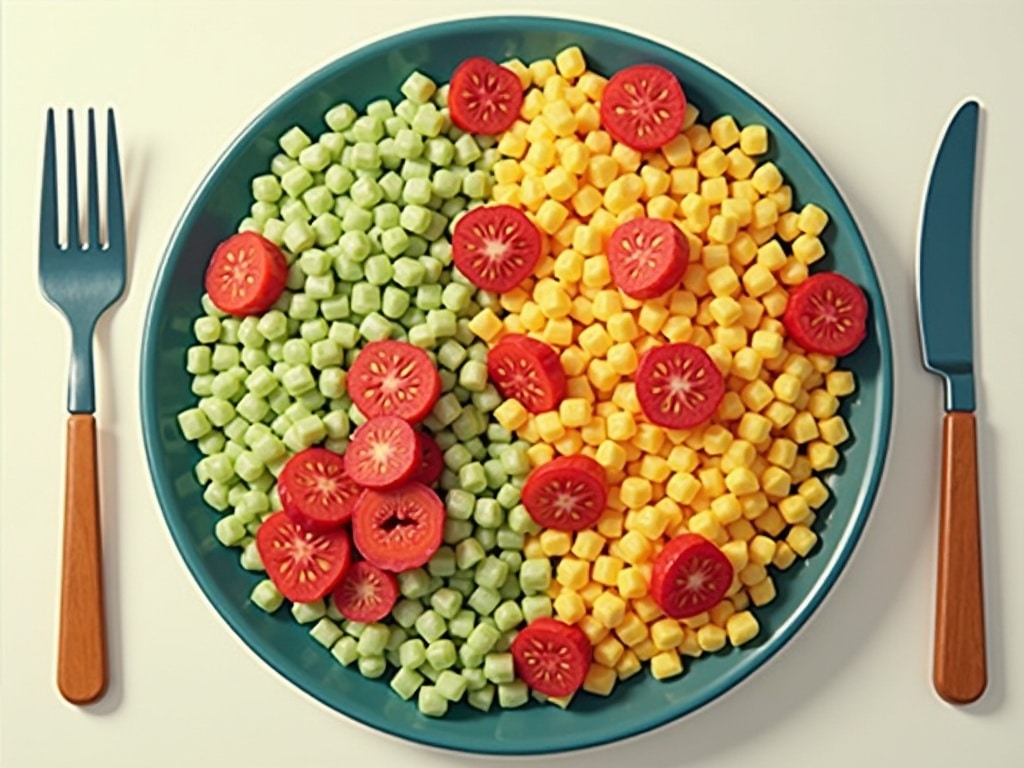
While a strict low-carb diet might not be the best choice for breastfeeding moms, a moderate approach could offer some benefits without the significant risks. The key is to focus on nutrient-dense, complex carbohydrates and pair them with protein and healthy fats.
Smart Carb Choices
Not all carbs are created equal. Instead of eliminating carbohydrates entirely, prioritize whole, unprocessed sources like:
- Non-starchy vegetables: Broccoli, spinach, bell peppers
- Fruits: Berries, apples, pears (in moderation)
- Whole grains: Quinoa, oats, brown rice (in moderation)
- Legumes: Lentils, chickpeas, beans
These options provide essential nutrients and fiber while keeping your carbohydrate intake within a reasonable range.
Balancing Macronutrients
The key to a successful and safe low-carb approach during breastfeeding is balance. Aim for a diet that includes:
- Protein: Lean meats, poultry, fish, eggs, tofu
- Healthy Fats: Avocados, nuts, seeds, olive oil
- Complex Carbohydrates: From the sources listed above
This ensures you're getting the nutrients you need without drastically restricting carbs.
Sample Meal Plan for Breastfeeding Moms on a Moderate Low-Carb Diet
Here is an example to help you ensure you are getting a healthy amount of all the nutrients you need.
| Meal | Example |
|---|---|
| Breakfast | Omelet with spinach and cheese, a side of berries. |
| Lunch | Grilled chicken salad with mixed greens, avocado, and a vinaigrette dressing. |
| Dinner | Baked salmon with roasted broccoli and quinoa. |
| Snacks | Almonds, Greek yogurt, apple slices with peanut butter. |
Monitoring Your Milk Supply and Baby's Health
Regardless of your dietary choices, it's crucial to monitor your milk supply and your baby's health closely. Look out for signs of inadequate milk intake, such as:
- Infrequent Wet Diapers: Fewer than 6-8 wet diapers in 24 hours.
- Poor Weight Gain: Not gaining weight or slow weight gain.
- Lethargy: Baby seems tired or uninterested in feeding.
- Dehydration: Dry mouth, sunken eyes.
If you notice any of these signs, consult with your pediatrician or a lactation consultant immediately.
Seeking Professional Guidance
Before making any significant changes to your diet while breastfeeding, it's always best to seek professional guidance. A registered dietitian or a lactation consultant can provide personalized recommendations based on your individual needs and health status. They can help you create a balanced meal plan that supports both your health and your baby's well-being.
Questions to Ask Your Healthcare Provider
- Is a low-carb diet safe for me given my health history?
- What is the ideal carbohydrate intake for me while breastfeeding?
- Are there any specific nutrient deficiencies I should be aware of?
- How can I monitor my milk supply and my baby's health effectively?
Other Important Considerations
Beyond diet, several other factors can influence milk supply and overall health while breastfeeding.
- Hydration: Drink plenty of water throughout the day.
- Rest: Prioritize sleep whenever possible.
- Stress Management: Practice relaxation techniques to reduce stress levels.
- Frequent Nursing: Nurse on demand to stimulate milk production.
The Bottom Line
While a strict low-carb diet may not be the best choice for all breastfeeding moms, a moderate approach that emphasizes nutrient-dense foods and balanced macronutrients can be a sustainable option. The key is to listen to your body, monitor your milk supply, and seek professional guidance to ensure both you and your baby thrive. Remember, breastfeeding is a marathon, not a sprint. Focus on nourishing your body with wholesome foods and enjoying this special time with your little one.