

Losing Baby Weight the Natural Way: A Gentle Guide for New Moms
The journey of motherhood is miraculous, transforming your body and life in profound ways. After nine months of nurturing your little one, you might be eager to reclaim your pre-pregnancy physique. But ditch the crash diets and grueling workouts! Losing baby weight the natural way is about embracing a holistic approach that nourishes your body, supports your well-being, and sets a sustainable path for long-term health. This isn't a race; it's a journey of self-care and rediscovering your strength.
Why Natural Weight Loss After Pregnancy?
Forget the pressure to bounce back. Your body has been through an incredible ordeal, and it needs time to recover. Natural weight loss focuses on gradual, healthy changes rather than quick fixes that can be detrimental, especially while breastfeeding or dealing with the demands of a newborn. It's about creating a lifestyle that supports both your physical and mental well-being.
- Prioritizes Health: Focuses on nutrient-dense foods and gentle exercise, supporting overall health.
- Sustainable Results: Lifestyle changes lead to long-term weight management, not just temporary weight loss.
- Supports Breastfeeding: Provides the necessary nutrients for milk production and your baby’s development.
- Reduces Stress: Avoids restrictive diets and intense workouts that can increase stress levels.
- Promotes Self-Care: Encourages mindful eating and activities that nourish your body and mind.
The Cornerstones of Natural Postpartum Weight Loss
Losing baby weight naturally hinges on a few key pillars: nourishing your body with the right foods, moving your body in a way that feels good, prioritizing sleep and managing stress, and staying hydrated.
1. Nourishing Your Body with Whole Foods
Dieting is a four-letter word! Instead of restricting calories, focus on filling your plate with whole, unprocessed foods that provide essential nutrients and keep you feeling satisfied. Think of food as fuel for your body and your baby, if you're breastfeeding.
- Lean Protein: Chicken, fish, beans, lentils, and tofu are essential for muscle repair and growth.
- Complex Carbohydrates: Whole grains like oats, quinoa, and brown rice provide sustained energy.
- Healthy Fats: Avocados, nuts, seeds, and olive oil are crucial for hormone balance and brain function.
- Fruits and Vegetables: Packed with vitamins, minerals, and fiber, these are your allies in weight loss and overall health. Aim for a rainbow of colors!
Focus on Fiber: Fiber helps you feel full for longer, preventing overeating. Include plenty of fruits, vegetables, and whole grains in your diet.
Limit Processed Foods, Sugary Drinks, and Excessive Sugar: These offer empty calories and can hinder your weight loss efforts. Read labels carefully and opt for whole, unprocessed alternatives.
2. Embracing Gentle Exercise
Forget the pressure to hit the gym immediately. Start slowly and listen to your body. Postpartum exercise should be gentle and focused on rebuilding strength and endurance. Always consult with your doctor before starting any exercise program after giving birth.
- Walking: A fantastic way to get moving and enjoy fresh air. Start with short walks and gradually increase the duration and intensity.
- Postnatal Yoga: Helps to strengthen your core, improve flexibility, and reduce stress.
- Pilates: Focuses on core strength and stability, which is crucial after pregnancy.
- Swimming: A low-impact exercise that's gentle on your joints.
- Pelvic Floor Exercises (Kegels): Essential for strengthening the muscles that support your bladder, uterus, and bowel.
Listen to Your Body: If you experience pain or discomfort, stop and rest. Don't push yourself too hard, especially in the early weeks postpartum.
3. Prioritizing Sleep and Managing Stress
Sleep deprivation and stress are common challenges for new moms and can significantly impact weight loss. When you're sleep-deprived, your body produces more cortisol (the stress hormone), which can lead to increased appetite and fat storage. Finding ways to manage stress and prioritize sleep is crucial.
- Nap When the Baby Naps: Easier said than done, but even a short nap can make a difference.
- Create a Relaxing Bedtime Routine: A warm bath, reading a book, or listening to calming music can help you unwind.
- Ask for Help: Don't be afraid to ask your partner, family, or friends for help with childcare or household chores.
- Practice Relaxation Techniques: Deep breathing, meditation, or yoga can help reduce stress levels.
- Join a Support Group: Connecting with other new moms can provide emotional support and a sense of community.
4. Staying Hydrated
Water is essential for overall health and plays a crucial role in weight loss. It helps you feel full, boosts your metabolism, and aids in digestion. Aim to drink plenty of water throughout the day, especially if you're breastfeeding.
- Carry a Water Bottle: Keep a water bottle with you and sip on it throughout the day.
- Drink Water Before Meals: This can help you feel full and prevent overeating.
- Infuse Your Water: Add slices of lemon, cucumber, or berries to make your water more flavorful.
- Listen to Your Body: Drink when you're thirsty.
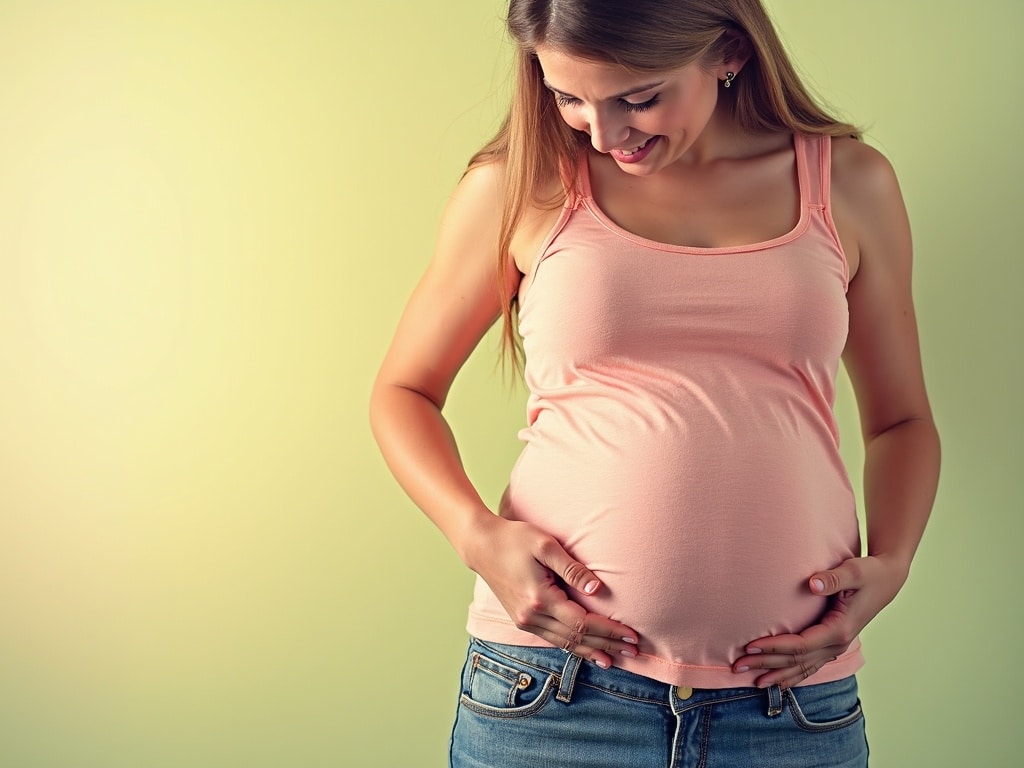
Foods to Embrace (and Limit) for Natural Weight Loss
Navigating the grocery store can feel overwhelming with so much conflicting information. Here’s a practical guide to help you make healthy choices for natural postpartum weight loss, and maintain a healthy diet.
Foods to Focus On
- Non-Starchy Vegetables: Broccoli, spinach, kale, bell peppers, zucchini, and other non-starchy vegetables are packed with nutrients and low in calories.
- Lean Proteins: Chicken breast, turkey breast, fish (salmon, tuna, cod), beans, lentils, tofu, and Greek yogurt.
- Whole Grains: Oatmeal, quinoa, brown rice, whole-wheat bread (in moderation), and barley.
- Healthy Fats: Avocados, nuts (almonds, walnuts, pecans), seeds (chia, flax, pumpkin), olive oil, and fatty fish (salmon).
- Fruits: Berries (strawberries, blueberries, raspberries), apples, bananas, oranges, and pears.
Foods to Limit or Avoid
- Processed Foods: Packaged snacks, fast food, sugary cereals, and frozen meals are often high in calories, unhealthy fats, and added sugar.
- Sugary Drinks: Soda, juice, sports drinks, and sweetened coffee or tea are empty calories that can lead to weight gain.
- Refined Grains: White bread, white rice, pasta made with white flour, and pastries are low in nutrients and can cause blood sugar spikes.
- Unhealthy Fats: Fried foods, processed meats (bacon, sausage), and margarine are high in unhealthy fats that can contribute to weight gain and health problems.
- Excess Sugar: Candy, cookies, cakes, ice cream, and other sugary treats should be limited.
Sample Meal Plan for Postpartum Weight Loss
This is just a sample meal plan, so feel free to adjust it to your own preferences and dietary needs. It's always best to consult with a registered dietitian or nutritionist for personalized guidance. This diet is suitable for healthy women cleared for exercise by their doctors. If you feel unwell at any point discontinue your routine and seek medical advice.
| Meal | Example |
|---|---|
| Breakfast | Oatmeal with berries and nuts, or Greek yogurt with fruit and granola. |
| Lunch | Salad with grilled chicken or fish, or a whole-wheat sandwich with lean protein and vegetables. |
| Dinner | Baked salmon with roasted vegetables and quinoa, or lentil soup with whole-grain bread. |
| Snacks | Apple slices with peanut butter, a handful of almonds, or a small cup of Greek yogurt. Don't skip these. They’ll keep you from getting too hungry between meals. |
Important Note: If you are breastfeeding, you may need to increase your calorie intake. Consult with your doctor or a registered dietitian to determine your individual needs.
Common Postpartum Weight Loss Challenges (and How to Overcome Them)
Losing baby weight is not always easy, and it's important to be prepared for potential challenges. Here are a few common hurdles and some tips to overcome them:
- Lack of Time: Schedule short bursts of activity throughout the day, even if it's just 10-15 minutes at a time. Involve your baby in your workouts by taking them for a walk in a stroller or using them as weight during exercises.
- Sleep Deprivation: Prioritize sleep whenever possible. Ask for help from your partner, family, or friends so you can get some rest.
- Emotional Eating: Identify your emotional triggers and find healthy ways to cope with stress and emotions, such as exercise, meditation, or talking to a friend.
- Plateaus: Don't get discouraged if you hit a plateau. Adjust your diet or exercise routine to reignite weight loss.
- Pressure to Bounce Back: Ignore the unrealistic expectations and focus on your own journey. Celebrate your body's strength and resilience.
Seeking Professional Guidance
While this guide provides valuable information, it's always a good idea to seek professional guidance from a healthcare provider, registered dietitian, or certified personal trainer. They can provide personalized recommendations and support based on your individual needs and circumstances. The American Pregnancy Association: [externalLink insert] is a great resource for further information about postpartum well-being.
The Bottom Line
Losing baby weight the natural way is about more than just shedding pounds. It's about nourishing your body, prioritizing your well-being, and embracing a healthy lifestyle that will benefit you and your baby for years to come. Be patient, be kind to yourself, and celebrate every milestone along the way. You've got this!