
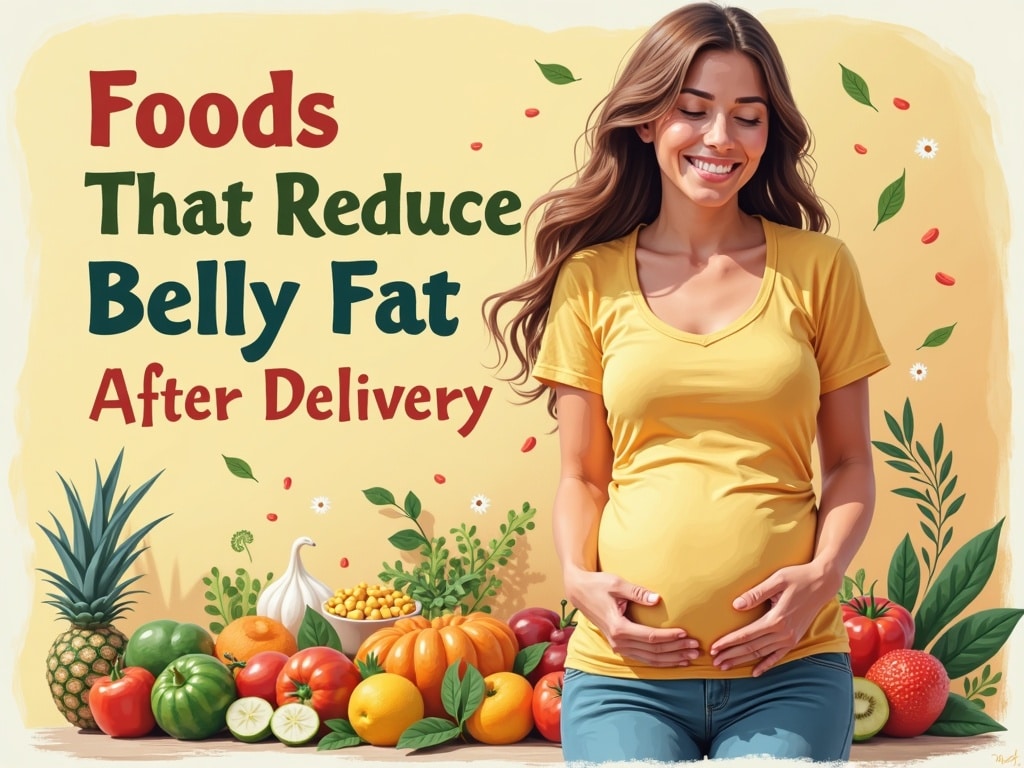
Foods That Reduce Belly Fat After Delivery: A Guide for New Moms
The journey of motherhood is beautiful, but it often leaves behind a lingering souvenir: stubborn belly fat. As a new mom, you're likely juggling sleepless nights, feeding schedules, and endless diaper changes. Finding time for yourself, let alone figuring out the best way to shed that post-pregnancy belly fat, can feel overwhelming. But don't despair! A balanced diet rich in specific nutrients can be your ally in reclaiming your body and boosting your energy levels during this demanding phase. This article explores the most effective foods to help you reduce belly fat after delivery, offering a roadmap to nourishing yourself back to feeling your best.
Understanding Postpartum Belly Fat
After nine months of pregnancy, your body has undergone significant changes. Your abdominal muscles have stretched to accommodate your growing baby, and hormonal shifts have encouraged fat storage, particularly around the abdomen. This isn't just about aesthetics; this extra fat served a vital purpose during pregnancy, providing energy reserves for you and your developing baby. However, after delivery, these hormonal levels gradually return to normal, and your body no longer needs the same energy reserves.
While exercise is crucial for rebuilding muscle and toning your body, diet plays an equally important role in reducing belly fat. You can't outrun a bad diet! Focusing on nutrient-dense foods that support metabolism, reduce inflammation, and promote satiety will help you achieve your goals more effectively and sustainably. It's essential to remember that patience is key; give your body time to heal and adjust before embarking on any drastic weight loss plans.
The Power Plate: Key Food Groups for Belly Fat Reduction
Now, let's dive into the specifics. What should you be eating to help shrink your waistline after giving birth? Focus on incorporating these key food groups into your daily meals:
Lean Protein
**Why it works:Protein is your best friend when it comes to fat loss. It helps you feel fuller for longer, reducing cravings and preventing overeating. More importantly, protein helps preserve and rebuild lean muscle mass, which is crucial for boosting your metabolism. The more muscle you have, the more calories you burn at rest.
**Best sources:Chicken breast, turkey, fish (especially salmon, rich in omega-3s), lean beef, eggs, beans, lentils, tofu, and Greek yogurt.
Fiber-Rich Foods
**Why it works:Fiber acts like a natural broom, sweeping through your digestive system and promoting regularity. This is especially important postpartum, as constipation is a common issue. Fiber also helps regulate blood sugar levels, preventing energy crashes and reducing cravings for sugary snacks. Soluble fiber, in particular, has been shown to reduce visceral fat—the dangerous fat stored around your abdominal organs.
**Best sources:Oats, quinoa, brown rice, whole-wheat bread, fruits (apples, berries, pears), vegetables (broccoli, spinach, Brussels sprouts), beans, and lentils.
Healthy Fats
**Why it works:Contrary to popular belief, healthy fats are essential for fat loss. They help regulate hormones, improve satiety, and reduce inflammation. Omega-3 fatty acids, in particular, have been linked to reduced belly fat and improved overall health.
**Best sources:Avocados, nuts (almonds, walnuts, pecans), seeds (chia seeds, flax seeds, pumpkin seeds), olive oil, and fatty fish (salmon, tuna, mackerel).
Calcium-Rich Foods
**Why it works:Calcium plays a vital role in fat metabolism. Studies have shown that adequate calcium intake can help increase fat breakdown and reduce fat storage. This is particularly important postpartum, as breastfeeding mothers need extra calcium to support their baby's development.
**Best sources:Dairy products (milk, yogurt, cheese), leafy green vegetables (kale, spinach, collard greens), fortified plant-based milk alternatives, and tofu.
Foods Rich in Iron
**Why it works:Iron deficiency is common after childbirth, particularly if you experienced blood loss during delivery. Iron is crucial for energy production and oxygen transport. When you're deficient in iron, you may feel fatigued and sluggish, making it harder to exercise and maintain a healthy diet.
**Best sources:Lean red meat, poultry, fish, beans, lentils, spinach, and fortified cereals. Pair iron-rich foods with foods high in vitamin C to increase absorption.
Top Foods to Target Belly Fat After Delivery
Now that you understand the key food groups, let's highlight some specific foods that are particularly effective at helping you reduce belly fat after delivery:
**Salmon:Rich in omega-3 fatty acids and protein, salmon helps reduce inflammation, boosts metabolism, and keeps you feeling full.
**Avocados:Packed with healthy fats and fiber, avocados promote satiety and help regulate blood sugar levels.
**Berries:Low in calories and high in antioxidants and fiber, berries are a sweet and healthy way to satisfy your cravings.
**Greek Yogurt:A great source of protein and calcium, Greek yogurt helps you feel fuller for longer and supports fat metabolism.
**Oatmeal:High in soluble fiber, oatmeal helps regulate blood sugar levels and keeps you feeling satisfied.
**Almonds:A good source of healthy fats, fiber, and protein, almonds make a convenient and nutritious snack.
**Eggs:A complete protein source, eggs are packed with nutrients and help you feel full and energized.
**Leafy Green Vegetables:Low in calories and high in vitamins, minerals, and fiber, leafy greens are essential for overall health and weight management.
**Lentils:A great source of protein and fiber, lentils help regulate blood sugar levels and keep you feeling satisfied.
**Chia Seeds:High in fiber, omega-3 fatty acids, and antioxidants, chia seeds can be added to smoothies, yogurt, or oatmeal to boost their nutritional value.
Sample Meal Plan for Postpartum Belly Fat Reduction
To give you a better idea of how to incorporate these foods into your daily diet, here's a sample meal plan:
**Breakfast:Oatmeal with berries and a handful of almonds, or a Greek yogurt parfait with chia seeds and sliced fruit.
**Lunch:Grilled salmon salad with mixed greens, avocado, and a light vinaigrette dressing, or a lentil soup with whole-wheat bread.
**Dinner:Baked chicken breast with roasted vegetables (broccoli, Brussels sprouts) and quinoa, or a lean beef stir-fry with brown rice and plenty of vegetables.
**Snacks:Hard-boiled eggs, a handful of almonds, a piece of fruit, or Greek yogurt.
Beyond Food: Important Lifestyle Factors
While diet is crucial, it's important to remember that other lifestyle factors also play a significant role in reducing belly fat after delivery:
**Hydration:Drink plenty of water throughout the day to stay hydrated, boost metabolism, and help you feel full.
**Sleep:Aim for at least 7-8 hours of sleep per night. Sleep deprivation can lead to increased cortisol levels, which can promote fat storage, especially around the abdomen.
**Stress Management:Find healthy ways to manage stress, such as yoga, meditation, or spending time in nature. Chronic stress can also lead to increased cortisol levels.
**Exercise:Once you're cleared by your doctor, gradually incorporate exercise into your routine. Start with gentle activities like walking or swimming and gradually increase the intensity and duration as you feel stronger. Focus on both cardiovascular exercise and strength training to burn calories and build muscle.
**Breastfeeding:If you're breastfeeding, remember that it burns extra calories, which can help with weight loss. However, it's also important to ensure you're eating enough to support your milk supply.
Foods to watch out for
Be mindful of foods that can hinder your progress. These may include:
**Processed Foods:High in unhealthy fats, sugar, and sodium, these foods can contribute to weight gain and inflammation.
**Sugary Drinks:Sodas, juices, and sweetened beverages are loaded with empty calories and can lead to insulin resistance and fat storage.
**Refined Carbs:White bread, pasta, and pastries are quickly digested and can cause blood sugar spikes, leading to cravings and weight gain.
**Excessive Alcohol:Alcohol is high in calories and can interfere with fat metabolism.
Patience and Consistency are Key
Reducing belly fat after delivery takes time and effort. Be patient with yourself, celebrate small victories, and focus on making sustainable lifestyle changes. Remember that every woman's body is different, and what works for one person may not work for another. Listen to your body, consult with a healthcare professional or registered dietitian, and tailor your diet and exercise plan to your individual needs and goals. By focusing on nourishing your body with nutrient-dense foods and prioritizing healthy lifestyle habits, you can reclaim your body and feel your best as you embrace the joys of motherhood.