

Feeling Weak During Postpartum Workouts? Understanding Why and How to Rebuild Your Strength
You laced up your sneakers, eager to reclaim your body after pregnancy. But instead of feeling strong and energized, you’re hit with unexpected fatigue and weakness during your postpartum workouts. What gives? You're not alone. Many new mothers experience this frustrating setback. Understanding the reasons behind this weakness and adopting a strategic approach to rebuilding strength is key to a safe and effective return to exercise.
The Postpartum Body: A Landscape of Change
Pregnancy and childbirth trigger a cascade of physiological changes that profoundly impact a woman's body. These changes don't simply vanish after delivery; they linger and influence how your body responds to physical activity.
Hormonal Fluctuations
Hormones like relaxin, which loosens ligaments and joints during pregnancy to prepare for childbirth, remain elevated for a period postpartum, typically several months, especially if breastfeeding. This increased joint laxity makes you more susceptible to injuries if you push yourself too hard. Estrogen and progesterone levels also plummet after childbirth, contributing to fatigue, mood swings, and potentially influencing muscle function.
Muscle Weakness & Abdominal Separation (Diastasis Recti)
The abdominal muscles stretch significantly during pregnancy to accommodate the growing baby. This can lead to diastasis recti, a separation of the rectus abdominis muscles (the six-pack muscles). Diastasis recti weakens the core, impacting stability and strength during workouts. The pelvic floor muscles, which support the uterus, bladder, and bowel, also undergo significant strain during pregnancy and childbirth, often resulting in weakness and potentially contributing to incontinence.
Blood Volume and Anemia
While blood volume increases during pregnancy, it gradually returns to normal postpartum. Blood loss during delivery, however, can lead to iron deficiency anemia, characterized by a reduced number of red blood cells. Anemia causes fatigue, weakness, and shortness of breath, significantly hindering exercise performance.
Sleep Deprivation
Let’s face it: new motherhood often equals chronic sleep deprivation. Lack of sleep impairs muscle recovery, reduces energy levels, and increases the perception of exertion. Trying to power through workouts on minimal sleep can lead to exhaustion and increase the risk of injury.
Identifying the Culprits: Why You Might Be Feeling Weak
Pinpointing the specific factors contributing to your weakness is crucial for tailoring your recovery and exercise plan. Here’s how to start:
- Listen to Your Body: Pay close attention to your body's signals. Don't ignore pain, excessive fatigue, or dizziness. These are signs that you're pushing yourself too hard.
- Assess Your Core and Pelvic Floor: Check for diastasis recti by performing a simple self-assessment (there are many online tutorials). Be aware of any urinary leakage or pelvic pain, indicating potential pelvic floor dysfunction.
- Consider Blood Work: Talk to your doctor about getting blood work done to check for anemia or other underlying medical conditions.
- Track Your Sleep: Keep a sleep diary to monitor your sleep patterns and identify areas for improvement. Enlist help from your partner, family, or friends to maximize your rest.
Rebuilding Strength: A Gradual and Safe Approach
The key to overcoming postpartum weakness is a gradual and progressive return to exercise, prioritizing core and pelvic floor rehabilitation, and respecting your body's limitations.
Phase 1: Core and Pelvic Floor Rehabilitation (Weeks 1-6 Postpartum)
This initial phase focuses on gentle exercises to activate and strengthen the core and pelvic floor muscles. It's essential to start with these foundational exercises before resuming more strenuous activities.
- Diaphragmatic Breathing: Lie on your back with knees bent and focus on deep, belly breaths, expanding your abdomen as you inhale and contracting as you exhale. This helps activate the deep core muscles.
- Pelvic Floor Contractions (Kegels): Squeeze the muscles you would use to stop the flow of urine, hold for a few seconds, and release. Focus on lifting the pelvic floor upwards and inwards.
- Gentle Core Activation: Perform exercises like heel slides (lying on your back, sliding one heel along the floor while maintaining core engagement) and supine toe taps (lifting one foot slightly off the floor at a time, engaging the core).
Phase 2: Low-Impact Strength Training (Weeks 6-12 Postpartum)
Once you’ve established a solid foundation in core and pelvic floor strength, you can gradually introduce low-impact strength training exercises. Focus on proper form and avoid exercises that exacerbate diastasis recti or pelvic floor dysfunction.
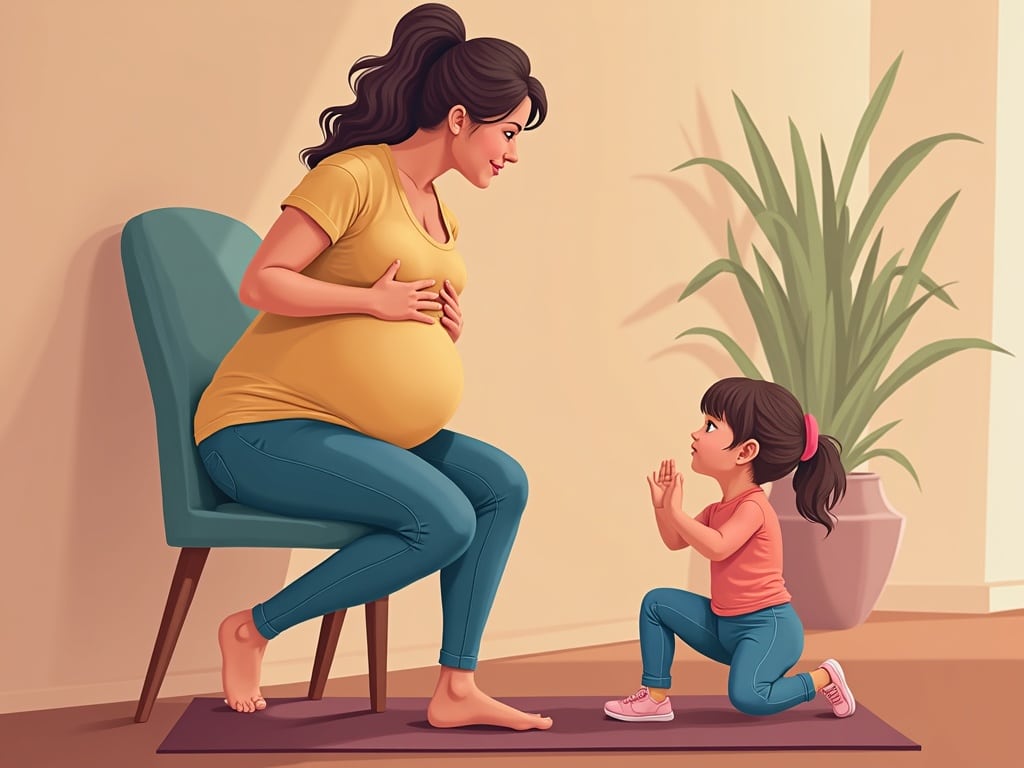
- Bodyweight Exercises: Start with bodyweight exercises like squats, lunges, push-ups (modified on your knees if needed), and planks (modified on your knees).
- Resistance Bands: Use resistance bands to add gentle resistance to exercises like rows, bicep curls, and lateral walks.
- Walking and Gentle Cardio: Gradually increase the duration and intensity of your walks. Consider other low-impact cardio activities like swimming or cycling.
Phase 3: Progressive Strength Training (Months 3+ Postpartum)
As you regain strength and endurance, you can gradually progress to more challenging strength training exercises. Continue to prioritize proper form and listen to your body.
- Increase Weight: Gradually increase the weight you lift during strength training exercises.
- Introduce Compound Exercises: Incorporate compound exercises like deadlifts, squats, and overhead presses (with appropriate modifications and guidance from a qualified professional).
- High-Impact Activities (If Appropriate): If you desire, you can gradually reintroduce high-impact activities like running and jumping, ensuring you have adequate core and pelvic floor strength and stability.
Nutrition and Hydration: Fueling Your Recovery
Proper nutrition and hydration are essential for postpartum recovery and rebuilding strength. Focus on consuming a balanced diet rich in:
- Protein: Protein is crucial for muscle repair and growth. Aim for 1.0-1.2 grams of protein per kilogram of body weight per day.
- Iron: If you are anemic, iron supplementation may be necessary. Consult with your doctor about appropriate iron supplementation.
- Calcium and Vitamin D: These nutrients are essential for bone health and overall well-being.
- Hydration: Drink plenty of water throughout the day, especially if you are breastfeeding.
Consider working with a registered dietitian to create a personalized nutrition plan tailored to your specific needs and goals.
Seeking Professional Guidance
Consulting with healthcare professionals can significantly enhance your postpartum recovery and exercise journey. Consider seeking guidance from:
- Your Doctor or Midwife: Obtain clearance from your doctor or midwife before resuming exercise. Discuss any specific concerns or limitations you may have.
- A Physical Therapist Specializing in Pelvic Floor Health: A pelvic floor physical therapist can assess your core and pelvic floor function and provide individualized treatment to address any dysfunction. They can also teach you proper core engagement techniques and guide you on safe and effective exercises.
- A Certified Personal Trainer with Postpartum Expertise: A certified personal trainer with experience working with postpartum women can design a safe and effective exercise program tailored to your individual needs and goals.
Common Mistakes to Avoid
Several common mistakes can hinder your postpartum recovery and exacerbate weakness. Avoid these pitfalls:
- Returning to Exercise Too Soon: Resist the urge to rush back into your pre-pregnancy exercise routine. Give your body adequate time to heal and recover.
- Ignoring Pain: Pain is a signal that something is wrong. Don't push through pain; stop the activity and consult with a healthcare professional.
- Neglecting Core and Pelvic Floor Rehabilitation: Prioritize core and pelvic floor exercises before resuming more strenuous activities.
- Comparing Yourself to Others: Every woman's postpartum journey is unique. Don't compare yourself to other new mothers or try to achieve unrealistic expectations.
- Not Getting Enough Rest: Prioritize sleep and rest to allow your body to recover and rebuild strength. Enlist help from your partner, family, or friends to maximize your rest.
External Link: It's important to find the right resources for your fitness journey, there are many options such as this workout planner.
Celebrating Small Victories
Postpartum recovery is a marathon, not a sprint. Celebrate small victories along the way, such as completing a workout without pain, feeling stronger during a specific exercise, or simply making time for self-care. Remember to be patient with yourself, listen to your body, and prioritize your well-being. This journey is about rebuilding your strength and confidence, not about achieving pre-pregnancy fitness levels overnight. Embrace the process, and you'll be amazed at what your body can accomplish. Remember to connect with other new mothers and share your experiences. Building a supportive community can provide encouragement and motivation throughout your postpartum journey.
Conclusion: Reclaim Your Strength and Embrace Your Postpartum Body
Feeling weak during postpartum workouts is a common experience, but it’s not a permanent state. By understanding the underlying causes, adopting a gradual and safe approach to exercise, prioritizing nutrition and hydration, seeking professional guidance, and avoiding common mistakes, you can effectively rebuild your strength and reclaim your body. Embrace this journey with patience, self-compassion, and a focus on your overall well-being. You've got this!