

Does Drinking Cold Water Boost Metabolism Postpartum? Separating Fact from Fiction
The postpartum period is a whirlwind of sleepless nights, hormonal shifts, and a body working hard to recover. Amidst the advice (solicited and unsolicited!), you might have heard that drinking cold water can boost your metabolism and help you shed those extra pounds. But is there any truth to this claim? Let's dive into the science, separate fact from fiction, and explore what *reallyhelps to revitalize your metabolism after pregnancy.
The Claim: Cold Water and the Metabolism Myth
The idea behind this claim is simple: your body has to work harder to warm up the cold water you consume, expending extra calories in the process. This increased energy expenditure, proponents suggest, translates to a metabolic boost that can aid in weight loss, especially valuable during the postpartum phase when many women are keen to return to their pre-pregnancy shape.
The Science: How True Is It?
The truth is, there *isa kernel of truth to the claim. Studies have shown that drinking cold water does, in fact, slightly increase your metabolism. One study published in the Journal of Clinical Endocrinology & Metabolism found that drinking 500ml of cold water (around 17 ounces) can increase metabolic rate by up to 30% for about an hour. This boost is primarily due to the energy your body spends warming the water to your core temperature [externalLink insert].
However – and this is a big however – the effect is relatively small. The actual number of calories burned is estimated to be in the range of 5-10 calories per glass of cold water. While every little bit helps, relying solely on cold water to significantly impact your postpartum metabolism is unrealistic.
Postpartum Metabolism: What's Really Going On?
Understanding postpartum metabolism requires a look beyond just water temperature. Several factors influence how your body burns calories after pregnancy:
- Hormonal Changes: Pregnancy hormones like estrogen and progesterone dramatically shift throughout pregnancy. After delivery, these levels fluctuate again, impacting everything from mood to metabolism.
- Breastfeeding: If you're breastfeeding, your body is using a significant amount of energy to produce milk. This can lead to a natural increase in your metabolic rate.
- Sleep Deprivation: Let's face it, sleep is a rare commodity in the early postpartum days. Lack of sleep can negatively impact your metabolism, often leading to increased cravings for sugary and processed foods.
- Muscle Mass: Pregnancy and childbirth can put a strain on your muscles. Reduced muscle mass lowers your resting metabolic rate, meaning you burn fewer calories at rest.
Boosting Your Metabolism Postpartum: A Holistic Approach
Instead of focusing on just one trick like cold water, a holistic approach to boosting your postpartum metabolism is more effective and sustainable. Here's what to consider:
1. Prioritize Nutrition
Focus on nutrient-dense foods that support your body's recovery and fuel your metabolism. This includes:
- Protein: Essential for muscle repair and growth, protein also has a high thermic effect, meaning your body burns more calories digesting it. Good sources include lean meats, poultry, fish, beans, lentils, and tofu.
- Complex Carbohydrates: Choose whole grains like oats, quinoa, and brown rice over processed carbs. They provide sustained energy and fiber, which helps regulate blood sugar levels.
- Healthy Fats: Don't shy away from healthy fats like those found in avocados, nuts, seeds, and olive oil. They are crucial for hormone production and overall health.
- Fruits and Vegetables: Packed with vitamins, minerals, and antioxidants, fruits and vegetables support overall health and provide fiber for digestive regularity.
2. Embrace Strength Training
Building muscle is one of the most effective ways to boost your metabolism long-term. Start slowly and gradually increase the intensity as your body recovers. Consult with your doctor or a physical therapist before starting any exercise program.
3. Prioritize Sleep (as much as possible!)
Easier said than done, especially with a newborn! However, even small improvements in sleep quality can make a difference. Try these tips:
- Nap when the baby naps: Resist the urge to catch up on chores during nap time and prioritize rest.
- Create a relaxing bedtime routine: A warm bath, reading a book, or listening to calming music can help you wind down.
- Ask for help: Don't be afraid to ask your partner, family, or friends for assistance with nighttime feedings or childcare, allowing you to get more uninterrupted sleep.
4. Stay Hydrated – Regardless of Temperature
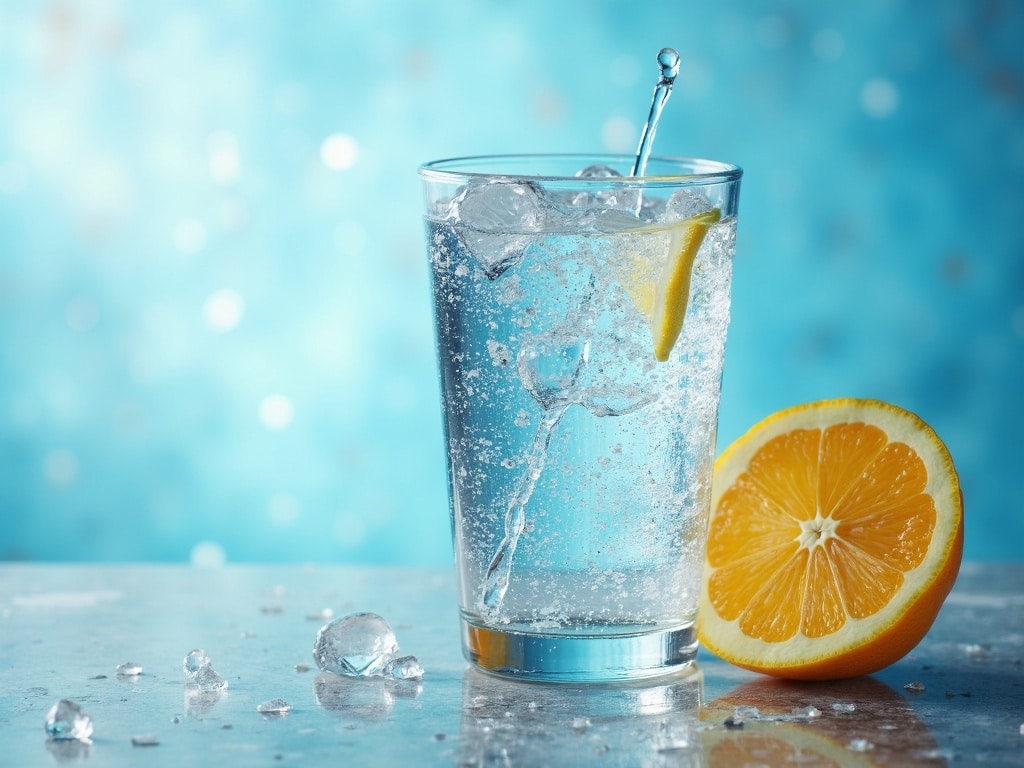
While drinking cold water might offer a tiny metabolic boost, the most important thing is to stay adequately hydrated. Dehydration can slow down your metabolism and lead to fatigue. Aim for at least eight glasses of water a day. If you're breastfeeding, you'll likely need even more. Whether you prefer it cold, room temperature, or warm, the key is to drink enough water throughout the day. Try infusing your water with fruits like lemon, cucumber, or berries for added flavor and hydration benefits.
5. Breastfeeding Benefits
If you choose to breastfeed, keep in mind that breastfeeding itself is a metabolism booster! Your body burns a significant number of calories producing milk. It also helps with postpartum recovery and offers numerous health benefits for your baby.
Beyond Water: Additional Tips for Postpartum Wellness
Here are some additional lifestyle changes you can incorporate to support your overall well-being during the postpartum period:
- Manage Stress: Postpartum stress is real. Find healthy ways to manage stress, such as yoga, meditation, or spending time in nature.
- Limit Processed Foods and Sugary Drinks: These can lead to weight gain and energy crashes.
- Listen to Your Body: Don't push yourself too hard, especially in the early weeks. Allow your body the time it needs to heal and recover.
- Seek Support: Join a new mom's group or connect with other mothers online. Sharing your experiences and getting support from others can make a big difference.
The Verdict: Cold Water and Postpartum Metabolism
While drinking cold water might offer a very slight temporary boost to your metabolism, it's not a magic bullet for postpartum weight loss. A holistic approach that incorporates a healthy diet, regular exercise, adequate sleep, and stress management is far more effective in supporting your postpartum metabolism and overall health. So, drink your water at whatever temperature you enjoy most, and focus on creating a healthy and sustainable lifestyle that nourishes both you and your baby.
Disclaimer
This article provides general information and should not be considered medical advice. Always consult with your healthcare provider before making any significant changes to your diet or exercise routine, especially during the postpartum period.