
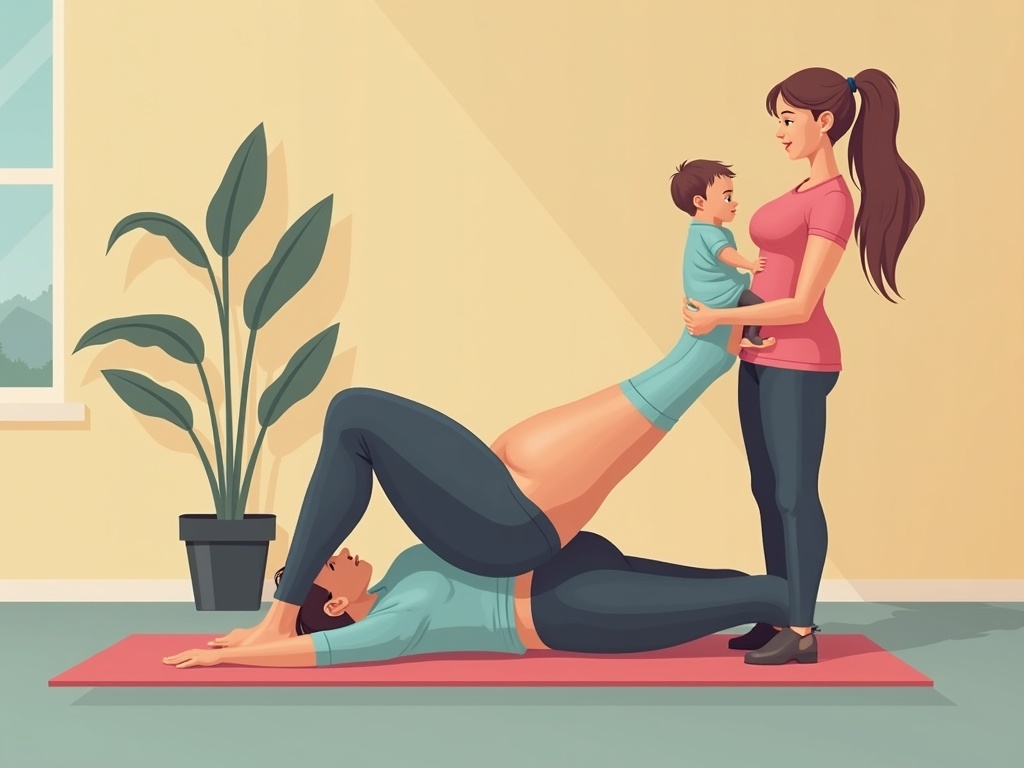
C-Section Shelf Exercises: Reclaim Your Core After Childbirth
The journey of motherhood is nothing short of miraculous. But for many women, a C-section can leave behind a stubborn reminder: the C-section shelf. This pooch of loose skin and tissue above the incision can be frustrating, affecting both your physical comfort and self-confidence. But before you resign yourself to a lifetime of concealing clothes, know this: targeted exercises can make a significant difference. While you can’t eliminate it completely without surgery, you *canrebuild your core strength, improve muscle tone, and minimize the appearance of the C-section shelf. Let’s dive into the world of C-section shelf exercises and how to safely and effectively reclaim your core.
Understanding the C-Section Shelf
Before we jump into exercises, let's understand what we’re dealing with. The C-section shelf isn't just about excess fat. It’s a combination of factors:
- Skin Laxity: Pregnancy stretches the skin, and it may not fully retract post-delivery.
- Muscle Separation (Diastasis Recti): The abdominal muscles separate during pregnancy to accommodate the growing baby. While it often heals naturally, sometimes it persists, contributing to the bulge.
- Scar Tissue: The incision and healing process can create scar tissue, which can restrict movement and contribute to the shelf's appearance.
- Subcutaneous Fat: This is the layer of fat just beneath the skin. Hormonal changes during pregnancy can lead to increased fat storage in this area.
It’s essential to be patient and kind to yourself. Your body has been through a major event, and it takes time to heal. Remember to consult with your doctor or a qualified physical therapist before starting any exercise program, especially after a C-section.
When Can You Start Exercising?
This is a crucial question. Don't rush into exercise too soon! Your body needs time to heal properly. Generally, you can start gentle exercises around 6-8 weeks postpartum, but always get clearance from your doctor first. If you experience any pain, bleeding, or discomfort, stop immediately and consult your healthcare provider.
The Foundation: Gentle Core Activation
The first step is to gently reconnect with your core muscles. These exercises are safe to begin early in your recovery:
- Diaphragmatic Breathing: Lie on your back with your knees bent and feet flat on the floor. Place one hand on your chest and the other on your belly. Inhale deeply through your nose, allowing your belly to rise while keeping your chest still. Exhale slowly through your mouth, drawing your belly button towards your spine. Repeat for 5-10 minutes daily. This helps engage your deep core muscles (transverse abdominis) and promote relaxation.
- Pelvic Tilts: Lie on your back with your knees bent. Gently tilt your pelvis forward, creating a small arch in your lower back. Then, tilt your pelvis backward, flattening your lower back against the floor. Focus on using your abdominal muscles to control the movement. Repeat 10-15 times. This exercise helps improve core stability and awareness.
- Heel Slides: Lie on your back with your knees bent. Slowly slide one heel away from your body, straightening your leg as much as comfortable while keeping your lower back pressed against the floor. Slide the heel back to the starting position. Repeat 10-15 times on each leg. This gently engages the lower abdominal muscles.
Phase 2: Strengthening and Toning
Once you’ve established a foundation of core activation (and after getting the green light from your doctor), you can gradually introduce more challenging exercises:
- Modified Plank: Start on your hands and knees. Lower down onto your forearms, keeping your body in a straight line from head to knees. Engage your core and hold for 20-30 seconds, gradually increasing the hold time as you get stronger. Avoid arching or sagging your back. This exercise strengthens the entire core, including the abdominal muscles, back muscles, and obliques.
- Bird Dog: Start on your hands and knees. Extend one arm forward and the opposite leg backward, keeping your core engaged and your back straight. Hold for a few seconds, then return to the starting position. Repeat on the other side. This exercise improves balance and core stability while strengthening the back and glutes.
- Cat-Cow Stretch: Start on your hands and knees. Inhale and drop your belly towards the floor, arching your back and lifting your head (cow pose). Exhale and round your spine towards the ceiling, tucking your chin to your chest (cat pose). Repeat 10-15 times. This gentle stretch improves spinal mobility and core awareness.
Phase 3: Advanced Core Exercises
As your strength improves, you can progress to more challenging exercises. Remember to listen to your body and avoid pushing yourself too hard.
- Dead Bug: Lie on your back with your knees bent at a 90-degree angle and your arms extended towards the ceiling. Slowly lower one arm and the opposite leg towards the floor, keeping your core engaged and your lower back pressed against the floor. Return to the starting position and repeat on the other side. This exercise challenges core stability and coordination.
- Bicycle Crunches (Modified): Lie on your back with your knees bent and your hands behind your head. Bring one knee towards your chest while twisting your opposite elbow towards that knee. Alternate sides, focusing on engaging your core rather than pulling on your neck. Keep the movement slow and controlled. Many women can’t tolerate full bicycle crunches after a C-section, so start with a very small range of motion.
- Standing Oblique Crunches: Stand with your feet shoulder-width apart and your hands behind your head. Engage your core and lean to one side, bringing your elbow towards your hip. Return to the starting position and repeat on the other side. This exercise targets the obliques, helping to define your waistline.

Addressing Diastasis Recti
Diastasis recti, the separation of abdominal muscles, is common after pregnancy and can contribute to the C-section shelf. It's crucial to address it properly.
- Check for Diastasis Recti: Lie on your back with your knees bent and feet flat on the floor. Place your fingers just above your belly button and gently press down. Lift your head and shoulders slightly off the floor, as if you were doing a mini-crunch. Feel for a gap between your abdominal muscles. If you can fit two or more fingers in the gap, you likely have diastasis recti.
- Specific Exercises: Focus on exercises that draw the abdominal muscles together, such as pelvic tilts, heel slides, and transverse abdominis activation. Avoid traditional crunches and sit-ups, which can worsen the condition.
- Core Splinting: During daily activities like lifting or getting out of bed, consciously engage your core muscles to support your abdomen. You can also use a supportive garment or postpartum girdle to provide extra support.
The Role of Cardio
While core exercises are essential for strengthening and toning your abdominal muscles, cardiovascular exercise is crucial for burning fat and reducing the overall appearance of the C-section shelf. Aim for at least 150 minutes of moderate-intensity cardio per week. Examples include:
- Walking: A great low-impact option to start with.
- Swimming: Gentle on the joints and works the whole body.
- Cycling: Another low-impact exercise that can be easily adjusted to your fitness level.
- Elliptical Training: Provides a full-body workout with minimal impact.
Scar Tissue Mobilization
Scar tissue can restrict movement and contribute to the appearance of the C-section shelf. Scar tissue mobilization can help improve flexibility, reduce pain, and promote healing. You can perform this yourself or seek help from a physical therapist. After your incision is fully healed (typically around 6-8 weeks postpartum, with doctor's approval), gently massage the area around the scar using your fingertips. Use circular motions, cross-fiber friction (massaging perpendicular to the scar), and light stretching.
Nutrition Matters
Exercise is only one piece of the puzzle. Nutrition plays a vital role in reducing belly fat and achieving your desired results. Focus on a healthy, balanced diet that includes:
- Lean Protein: Helps build and repair muscle tissue.
- Complex Carbohydrates: Provides sustained energy and fiber.
- Healthy Fats: Essential for hormone production and overall health.
- Fruits and Vegetables: Rich in vitamins, minerals, and antioxidants.
- Hydration: Drink plenty of water to stay hydrated and support metabolism.
Limit processed foods, sugary drinks, and excessive amounts of saturated and unhealthy fats. Consider consulting with a registered dietitian or nutritionist to develop a personalized meal plan that meets your specific needs and goals. They can help you create a sustainable eating pattern that supports your weight loss and overall health.
Consistency is Key
Rebuilding your core after a C-section takes time and dedication. Don't expect overnight results. Be patient with yourself, celebrate small victories, and stay consistent with your exercise and nutrition plan. Aim for at least 3-4 core workouts per week, along with regular cardio and a healthy diet. Remember, every little bit counts!
Beyond Exercise: Other Strategies for Managing the C-Section Shelf
While exercise and nutrition are the cornerstones of reducing the C-section shelf, other strategies can help:
- Hydration: Staying well-hydrated helps improve skin elasticity.
- Topical Creams: Some creams containing ingredients like retinol or peptides may help improve skin firmness and reduce the appearance of scars. However, their effectiveness is limited.
- Postpartum Support Garments: Wearing a supportive garment or postpartum girdle can provide compression and support, which may help improve posture and reduce the appearance of the shelf.
- Professional Treatments: In some cases, women may consider professional treatments like liposuction, tummy tuck (abdominoplasty), or skin tightening procedures to address the C-section shelf. These are more invasive options and should be discussed with a qualified surgeon. You can consult qualified surgeons through services like Dr. Paul Banwell's site, which may help find a professional in your area.
Listen to Your Body
The most important thing is to listen to your body and respect its limits. Postpartum recovery is a marathon, not a sprint. Don't compare yourself to others or try to do too much too soon. Focus on progress, not perfection. If you experience any pain or discomfort, stop immediately and consult with your doctor or a physical therapist.
A Final Word of Encouragement
The C-section shelf is a common concern for many new mothers, but it's not something you have to live with forever. With patience, consistency, and a targeted exercise and nutrition plan, you can regain your core strength, improve muscle tone, and feel confident in your body again. Remember to celebrate your body's incredible journey and give yourself the time and care you deserve. You've got this!