

Best Exercises for Regaining Strength After Baby
Becoming a mother is a transformative experience, a journey filled with immense joy and, let's be honest, significant physical challenges. From pregnancy to childbirth and postpartum recovery, your body undergoes incredible changes. As you navigate the demands of motherhood, regaining your strength and energy becomes paramount. Fortunately, with the right approach to exercise, you can rebuild your physical foundation and feel like yourself again.
Understanding Postpartum Recovery and Exercise
Before diving into specific exercises, it's essential to understand the postpartum recovery process. Your body needs time to heal after childbirth, and rushing back into strenuous activity can hinder recovery. Generally, doctors recommend waiting at least six weeks after a vaginal delivery and eight weeks after a C-section before starting high-impact exercises. However, every woman's experience is unique, so it's crucial to consult your healthcare provider for personalized guidance.
During pregnancy and childbirth, several key muscle groups are affected, including:
- Abdominals: The abdominal muscles stretch significantly to accommodate the growing baby, often leading to diastasis recti (separation of the abdominal muscles).
- Pelvic Floor: These muscles support the uterus, bladder, and bowel. Pregnancy and childbirth can weaken the pelvic floor, contributing to urinary incontinence and pelvic pain.
- Back Muscles: Carrying extra weight during pregnancy can strain the back muscles, causing pain and discomfort.
- Leg Muscles: Legs endure swelling, cramping, and extra weight so strengthening them is crucial.
The exercises below are designed to address these specific areas and help you regain overall strength and well-being. Remember to listen to your body, start slowly, and gradually increase the intensity and duration of your workouts.
Core Strengthening Exercises
Rebuilding your core strength is crucial for supporting your spine, improving posture, and preventing back pain. These exercises focus on engaging your deep core muscles, including the transverse abdominis and obliques.
1. Diaphragmatic Breathing
This foundational exercise helps reconnect you with your core and pelvic floor muscles. It's gentle, yet effective, and can be done in various positions, including lying down, sitting, or standing.
- Lie on your back with your knees bent and feet flat on the floor.
- Place one hand on your chest and the other on your abdomen.
- Inhale deeply through your nose, allowing your abdomen to rise while keeping your chest relatively still.
- Exhale slowly through your mouth, drawing your abdomen in towards your spine.
- Repeat for 5-10 minutes, focusing on controlled breathing.
2. Pelvic Tilts
Pelvic tilts help strengthen your abdominal muscles and improve pelvic mobility.
- Lie on your back with your knees bent and feet flat on the floor.
- Engage your abdominal muscles and gently tilt your pelvis upward, pressing your lower back into the floor.
- Hold for a few seconds, then release and return to the starting position.
- Repeat for 10-15 repetitions.
3. Heel Slides
Heel slides are a gentle way to engage your lower abdominal muscles.
- Lie on your back with your knees bent and feet flat on the floor.
- Keep your core engaged and slowly slide one heel away from your body, extending your leg until it's almost straight.
- Slide your heel back to the starting position.
- Repeat on the other side.
- Perform 10-15 repetitions on each leg.
4. Bird Dog
This exercise improves core stability and coordination while engaging your back muscles.
- Start on your hands and knees, ensuring your wrists are aligned under your shoulders and your knees are aligned under your hips.
- Engage your core and extend your right arm forward and your left leg backward simultaneously, keeping your back flat and your hips square to the floor.
- Hold for a few seconds, then return to the starting position.
- Repeat on the other side.
- Perform 10-15 repetitions on each side.
Pelvic Floor Exercises (Kegels)
Strengthening your pelvic floor muscles is essential for preventing urinary incontinence, improving sexual function, and supporting your pelvic organs. Kegel exercises involve contracting and relaxing the pelvic floor muscles.
- Imagine you are trying to stop the flow of urine midstream. This engages your pelvic floor muscles.
- Contract your pelvic floor muscles and hold for 5-10 seconds.
- Relax your muscles completely for 5-10 seconds.
- Repeat for 10-15 repetitions, 2-3 times per day.
It's important to ensure you're isolating the correct muscles. Avoid squeezing your glutes, thighs, or abdominal muscles during Kegels. If you're unsure whether you're performing them correctly, consult a physical therapist specializing in pelvic floor rehabilitation.
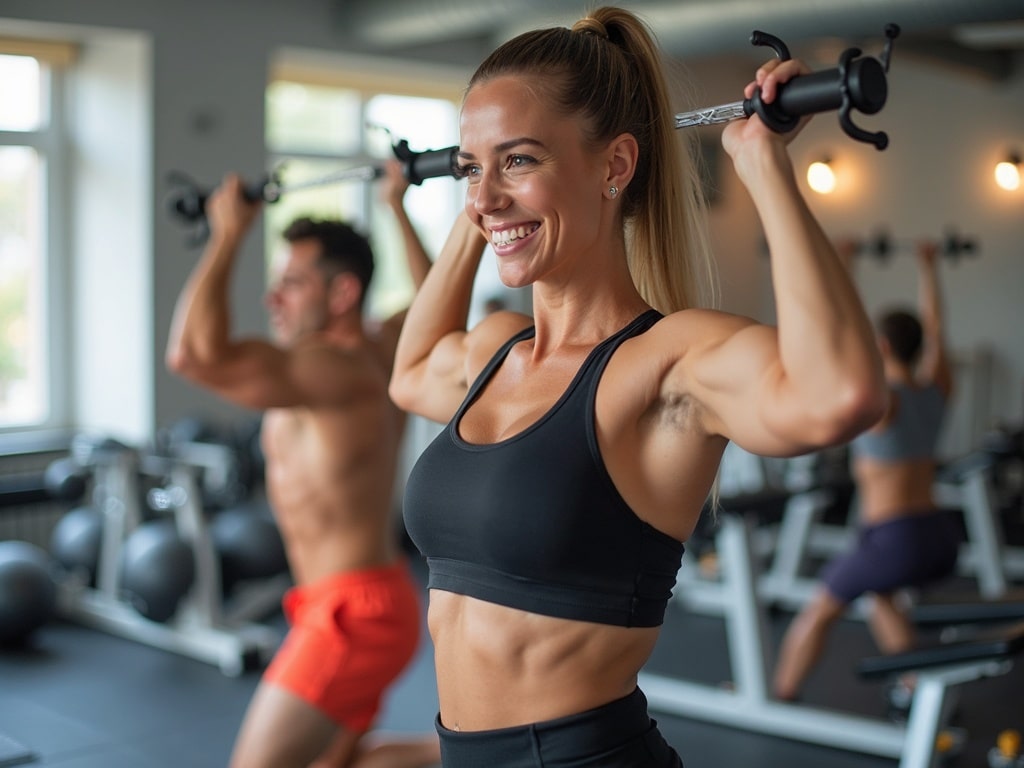
Upper Body Strength Training
Caring for a newborn involves a lot of lifting, carrying, and holding. Strengthening your upper body will make these tasks easier and prevent strain and injuries.
1. Wall Push-Ups
Wall push-ups are a gentle way to build upper body strength without putting too much stress on your joints.
- Stand facing a wall, with your feet shoulder-width apart and your hands placed on the wall at shoulder height and slightly wider than shoulder-width apart.
- Lean towards the wall, bending your elbows until your chest almost touches the wall.
- Push back to the starting position.
- Repeat for 10-15 repetitions.
2. Bicep Curls
Bicep curls target your biceps muscles, which are essential for lifting and carrying.
- Stand with your feet shoulder-width apart, holding a light dumbbell in each hand.
- Keep your elbows close to your body and curl the dumbbells up towards your shoulders.
- Slowly lower the dumbbells back to the starting position.
- Repeat for 10-15 repetitions.
3. Tricep Extensions
Tricep extensions target the triceps muscles, which are located on the back of your upper arms. These muscles help you straighten your arms and lift objects.
- Stand with your feet shoulder-width apart, holding a light dumbbell in one hand.
- Extend your arm overhead, keeping your elbow close to your head.
- Bend your elbow, lowering the dumbbell behind your head.
- Straighten your arm, extending the dumbbell back to the starting position.
- Repeat for 10-15 repetitions on each arm.
4. Rows
Rows strengthen your back muscles, which are important for maintaining good posture and supporting your spine.
- Stand with your feet shoulder-width apart, holding a light dumbbell in each hand.
- Hinge forward at your hips, keeping your back straight and your core engaged.
- Let the dumbbells hang down towards the floor.
- Pull the dumbbells up towards your chest, squeezing your shoulder blades together.
- Slowly lower the dumbbells back to the starting position.
- Repeat for 10-15 repetitions.
Lower Body Strengthening Exercises
Your legs support you throughout the day. Strengthening them is crucial for everyday activities and preventing injuries.
1. Bodyweight Squats
Squats are a foundational exercise that strengthens your quadriceps, hamstrings, and glutes.
- Stand with your feet shoulder-width apart, toes slightly pointed out.
- Lower your hips as if you're sitting in a chair, keeping your back straight and your core engaged.
- Ensure your knees don't extend past your toes.
- Push through your heels to return to the starting position.
- Repeat for 10-15 repetitions.
2. Lunges
Lunges are another excellent exercise for strengthening your lower body and improving balance. Here's some great information [externalLink insert].
- Stand with your feet hip-width apart.
- Step forward with one leg, lowering your hips until both knees are bent at a 90-degree angle.
- Ensure your front knee doesn't extend past your toes and your back knee doesn't touch the floor.
- Push through your front heel to return to the starting position.
- Repeat on the other side.
- Perform 10-15 repetitions on each leg.
3. Glute Bridges
Glute bridges target your glutes and hamstrings, which are essential for hip extension and stability.
- Lie on your back with your knees bent and feet flat on the floor.
- Engage your glutes and lift your hips off the floor, creating a straight line from your shoulders to your knees.
- Hold for a few seconds, then slowly lower your hips back to the floor.
- Repeat for 10-15 repetitions.
4. Calf Raises
Calf raises strengthen your calf muscles, which are important for ankle stability and walking.
- Stand with your feet flat on the floor.
- Rise up onto your toes, engaging your calf muscles.
- Hold for a few seconds, then slowly lower your heels back to the floor.
- Repeat for 15-20 repetitions.
Cardiovascular Exercise
In addition to strength training, incorporating cardiovascular exercise into your routine is important for improving your overall fitness and energy levels. Start with low-impact activities such as walking, swimming, or cycling.
- Walking: Walking is a great way to ease back into exercise. Start with short walks and gradually increase the duration and intensity.
- Swimming: Swimming is a low-impact exercise that's gentle on your joints.
- Cycling: Cycling is another low-impact exercise that can improve your cardiovascular fitness.
Aim for at least 150 minutes of moderate-intensity cardiovascular exercise per week. You can break this down into smaller chunks of time, such as 30 minutes, five days a week.
Important Considerations
- Listen to Your Body: Pay attention to your body's signals and don't push yourself too hard, especially in the early stages of postpartum recovery.
- Stay Hydrated: Drink plenty of water throughout the day, especially when you're exercising.
- Proper Form: Focus on maintaining proper form during each exercise to prevent injuries. If you're unsure about proper form, consult a qualified fitness professional.
- Nutrition: Fuel your body with a healthy, balanced diet that includes plenty of protein, fruits, vegetables, and whole grains .
- Rest and Recovery: Prioritize rest and sleep to allow your body to recover and rebuild.
Conclusion
Regaining strength after baby is a journey that requires patience, consistency, and a gentle approach. By incorporating these exercises into your postpartum recovery plan, you can rebuild your physical foundation, improve your energy levels, and feel confident in your body again. Remember to consult your healthcare provider before starting any new exercise program and listen to your body every step of the way. You've got this, mama!