

Foods That Help Shrink Your Uterus Postpartum: Nourishing Your Body Back to Health
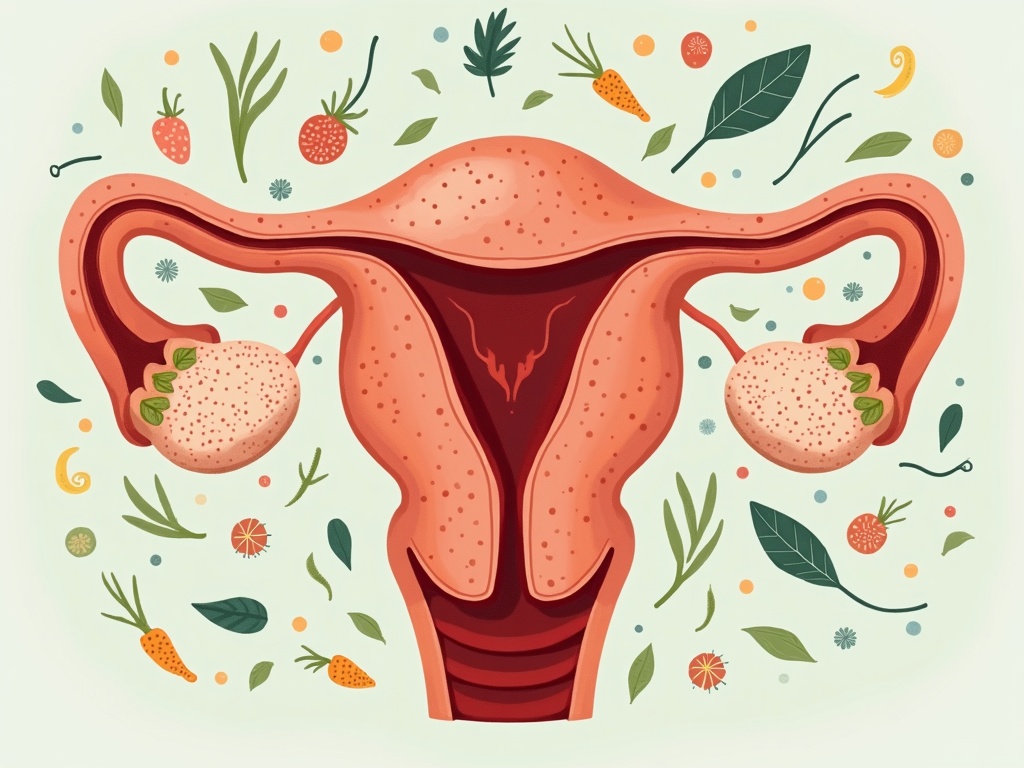
Imagine your uterus as a deflated balloon after the incredible journey of pregnancy and childbirth. It has expanded to accommodate a growing baby, and now it needs to return to its pre-pregnancy size. This process, called involution, is a natural and essential part of postpartum recovery. But did you know that what you eat can play a significant role in supporting this process? Let's explore the foods that can help shrink your uterus postpartum and nourish your body back to health.
Understanding Postpartum Uterine Involution
The uterus undergoes a remarkable transformation during pregnancy, expanding significantly to house the growing fetus. After childbirth, the body begins the process of involution, where the uterus gradually returns to its pre-pregnancy size. This involves uterine contractions, which help to compress the blood vessels and reduce bleeding. These contractions can be felt as afterpains, which are often more noticeable during breastfeeding due to the release of oxytocin, a hormone that stimulates uterine contractions and milk ejection.
Factors that can influence the rate of uterine involution include:
**Breastfeeding:As mentioned, oxytocin released during breastfeeding promotes uterine contractions.
**Parity:Women who have had multiple pregnancies may experience slower involution.
**Multiple Gestation:Carrying twins or more can lead to a more stretched uterus and potentially slower shrinking.
**Infection:Postpartum infections can hinder the involution process.
**Uterine Fibroids:The presence of fibroids can interfere with the uterus contracting effectively.
While involution is a natural process, certain foods can support the body's efforts and promote a healthy recovery.
The Power of Nutrition: Foods to Support Uterine Shrinkage
A nutrient-rich diet is vital for postpartum recovery, including uterine involution. Focus on foods that provide essential vitamins, minerals, and antioxidants to support healing, reduce inflammation, and promote uterine contractions.
Protein-Rich Foods
Protein is crucial for tissue repair and regeneration, both essential for uterus healing. Include lean protein sources in every meal to aid in the recovery process.
**Lean Meats:Chicken, turkey, and lean beef provide essential amino acids for tissue repair.
**Fish:Salmon, tuna, and other fatty fish are rich in omega-3 fatty acids, which have anti-inflammatory properties and support overall healing.
**Eggs:A complete protein source packed with vitamins and minerals.
**Legumes:Beans, lentils, and chickpeas are excellent plant-based protein sources, also rich in fiber.
**Tofu and Tempeh:Soy-based protein sources that are versatile and nutrient-dense.
Iron-Rich Foods
Blood loss during childbirth can lead to iron deficiency, which can delay healing. Replenishing iron stores is crucial for postpartum recovery and uterine health.
**Red Meat:A readily absorbable source of iron.
**Dark Leafy Greens:Spinach, kale, and collard greens are good sources of iron, although less readily absorbed than from animal sources. Pair them with vitamin C-rich foods to enhance absorption.
**Fortified Cereals:Choose cereals fortified with iron to boost your intake.
**Dried Fruits:Raisins, apricots, and prunes contain iron and fiber.
**Legumes:Beans and lentils contribute to iron intake.
Calcium-Rich Foods
Calcium plays a role in muscle function, including uterine contractions. Ensuring adequate calcium intake can support the involution process.
**Dairy Products:Milk, yogurt, and cheese are excellent sources of calcium.
**Fortified Plant-Based Milk:Choose plant-based milk alternatives fortified with calcium.
**Leafy Green Vegetables:Kale, collard greens, and spinach contain calcium, although less readily absorbed.
**Tofu:Calcium-set tofu is a good source of calcium.
**Sardines:These small fish are packed with calcium and omega-3 fatty acids.
Vitamin C-Rich Foods
Vitamin C is an antioxidant that supports collagen production, which is essential for tissue repair. It also enhances iron absorption.
**Citrus Fruits:Oranges, grapefruits, lemons, and limes are excellent sources of vitamin C.
**Berries:Strawberries, blueberries, raspberries, and cranberries are rich in vitamin C and antioxidants.
**Bell Peppers:Red, yellow, and orange bell peppers are higher in vitamin C than green peppers.
**Broccoli:A cruciferous vegetable that provides vitamin C and fiber.
**Tomatoes:Provide vitamin C and lycopene, an antioxidant.
Foods with Anti-Inflammatory Properties
Inflammation can hinder the healing process. Include foods with anti-inflammatory properties to support recovery.
**Fatty Fish:Salmon, tuna, and mackerel are rich in omega-3 fatty acids, known for their anti-inflammatory effects.
**Turmeric:Contains curcumin, a potent anti-inflammatory compound. Add it to your meals or take a supplement.
**Ginger:Has anti-inflammatory properties and can also help with nausea.
**Berries:Rich in antioxidants that combat inflammation.
**Leafy Green Vegetables:Provide antioxidants and nutrients that reduce inflammation.
Hydrating Foods
Staying hydrated is crucial for overall health and recovery. Dehydration can impair uterine contractions and delay healing.
**Water:Drink plenty of water throughout the day.
**Fruits:Watermelon, strawberries, and cantaloupe have high water content.
**Vegetables:Cucumbers, celery, and lettuce are hydrating vegetables.
**Broth-Based Soups:Provide hydration and nutrients.
**Herbal TeasCertain herbal teas, like raspberry leaf tea (consult with your healthcare provider first), are traditionally used to tone the uterus.
Foods to Avoid or Limit Postpartum
While focusing on nutrient-rich foods is essential, it's also important to be mindful of foods that can hinder postpartum recovery.
**Processed Foods:High in sugar, unhealthy fats, and sodium, which can contribute to inflammation and impede healing.
**Sugary Drinks:Provide empty calories and can lead to blood sugar imbalances.
**Excessive Caffeine:Can interfere with sleep and potentially affect milk production.
**Alcohol:Should be avoided while breastfeeding and can interfere with healing. [externalLink insert]
**Highly Allergenic Foods (if sensitivities are present):If you or your baby has known food sensitivities or allergies, avoid those foods to prevent inflammation and digestive issues.
Sample Meal Plan to Support Uterine Shrinkage Postpartum
Here is a sample meal plan incorporating foods that support uterine involution:
**Breakfast:Oatmeal with berries and nuts, topped with a sprinkle of flaxseeds.
**Lunch:Grilled salmon salad with mixed greens, avocado, and a lemon vinaigrette.
**Snack:Greek yogurt with a handful of almonds.
**Dinner:Chicken stir-fry with brown rice and plenty of colorful vegetables.
**Hydration:Drink water throughout the day, aiming for at least eight glasses.
Beyond Food: Other Tips for Postpartum Recovery
While nutrition plays a vital role in uterine involution, other factors can also contribute to a healthy postpartum recovery.
**Rest:Prioritize rest and allow your body time to heal.
**Gentle Exercise:Once cleared by your doctor, engage in light exercises like walking to promote circulation and muscle tone.
**Breastfeeding:Breastfeeding stimulates uterine contractions and supports involution.
**Pelvic Floor Exercises:Kegel exercises can help strengthen pelvic floor muscles, which support the uterus.
**Postpartum Massage:Some types of massage can promote circulation and relaxation, aiding in recovery.
**Consult your Healthcare provider:Contact your doctor after giving birth, they will be able to give specific dietary tips based on your physical examination.
When to Seek Medical Advice
While uterine involution is a natural process, it's essential to be aware of potential complications and when to seek medical advice. Contact your healthcare provider if you experience:
**Heavy Bleeding:Soaking through more than one pad per hour.
**Foul-Smelling Lochia:Lochia is the vaginal discharge after childbirth; a foul odor can indicate an infection.
**Severe Pain:Worsening pain in the abdomen or pelvis.
**Fever:A temperature of 100.4°F (38°C) or higher.
**Large Blood Clots:Passing large blood clots (larger than a golf ball).
Final Thoughts
Nourishing your body with the right foods postpartum can significantly support uterine involution and overall recovery. By focusing on protein-rich, iron-rich, calcium-rich, and anti-inflammatory foods, you can provide your body with the nutrients it needs to heal and regain its strength. Remember to stay hydrated, prioritize rest, and consult with your healthcare provider for personalized advice and support. Embrace this postpartum period as a time of healing and nourishment, and celebrate the incredible journey of motherhood.