
How to Lose Belly Fat After Pregnancy: A Comprehensive Guide for New Moms
Congratulations on your new arrival! While you're basking in the joy of motherhood, you might also be wondering about that lingering belly fat. It's completely normal, and you're definitely not alone. Your body has been through an incredible journey, and it takes time to recover. But don't worry, losing that postpartum belly fat is achievable with the right approach. This guide will provide you with a comprehensive and realistic plan to help you regain your confidence and feel your best.
Understanding Postpartum Belly Fat
First, let's understand why belly fat sticks around after pregnancy. During pregnancy, your body naturally stores extra fat to support the growing baby and prepare for breastfeeding. Hormonal changes also play a significant role, particularly the increase in estrogen and progesterone. After delivery, these hormone levels gradually decline, but it takes time for your body to readjust. Additionally, the abdominal muscles stretch to accommodate the growing uterus, often leading to a condition called diastasis recti, where the abdominal muscles separate. All of this contributes to the appearance of a mummy tummy.
Diastasis Recti: A Key Consideration
Diastasis recti is a common condition after pregnancy where the left and right sides of the rectus abdominis muscle (the six-pack muscle) separate. This separation can create a bulge in the abdomen and make it difficult to regain core strength. It's crucial to address diastasis recti before starting intense abdominal exercises that could worsen the condition. Consult with your doctor or a physical therapist to assess for diastasis recti and receive guidance on appropriate exercises.
A Realistic Timeline for Losing Belly Fat
Patience is key! It took nine months to gain the weight, so it's unrealistic to expect it to disappear overnight. A healthy and sustainable approach involves gradual weight loss over several months. Focus on nourishing your body and rebuilding your strength, rather than striving for rapid results. Aim for a weight loss of 1-2 pounds per week, which is generally considered safe and sustainable while breastfeeding. Remember, every woman's body is different, so be kind to yourself and celebrate small victories along the way.
The Core Pillars of Postpartum Belly Fat Loss
Losing belly fat after pregnancy involves a holistic approach that encompasses diet, exercise, sleep, and stress management. Let's break down each of these components:
1. Nutrition: Fueling Your Body and Burning Fat
Nutrition is paramount when it comes to losing belly fat and supporting your overall health after pregnancy. Focus on consuming whole, unprocessed foods that are rich in nutrients and fiber. Here's a breakdown of key nutritional strategies:
- Prioritize Protein: Protein is essential for muscle repair and growth, which can help boost your metabolism and burn more calories. Include lean protein sources like chicken, fish, beans, lentils, tofu, and Greek yogurt in your meals.
- Load Up on Fiber: Fiber keeps you feeling full and satisfied, preventing overeating. It also helps regulate blood sugar levels and promotes healthy digestion. Excellent sources of fiber include fruits, vegetables, whole grains, and legumes.
- Healthy Fats are Your Friend: Don't be afraid of healthy fats! They play a vital role in hormone production and overall health. Incorporate sources like avocados, nuts, seeds, olive oil, and fatty fish into your diet. Consider incorporating natural supplements like these fat burner supplements into your diet in consultation with your physician.
- Stay Hydrated: Drinking plenty of water is crucial for overall health and can aid in weight loss. Aim for at least 8 glasses of water per day, especially if you're breastfeeding.
- Limit Processed Foods, Sugary Drinks, and Excessive Sugar: These foods are often high in calories and low in nutrients, contributing to weight gain and hindering your progress.
Example Meal Plan:
| Meal | Example |
|---|---|
| Breakfast | Oatmeal with berries and nuts, Greek yogurt with granola and fruit |
| Lunch | Salad with grilled chicken or fish, lentil soup with whole-wheat bread |
| Dinner | Baked salmon with roasted vegetables, chicken stir-fry with brown rice |
| Snacks | Apple slices with peanut butter, a handful of almonds, Greek yogurt |
2. Exercise: Rebuilding Strength and Burning Calories
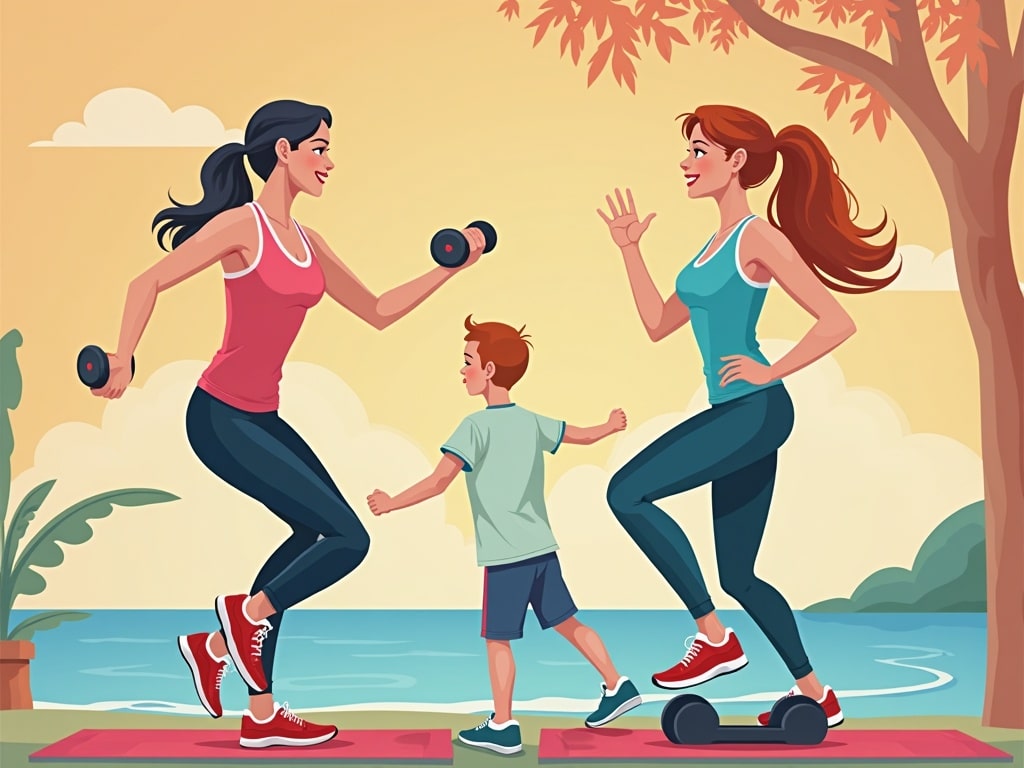
Once you've been cleared by your doctor, incorporating exercise into your routine is essential for losing belly fat and improving your overall fitness. Start slowly and gradually increase the intensity and duration of your workouts. Focus on exercises that target your core muscles and help rebuild strength.
- Cardiovascular Exercise: Cardio helps you burn calories and improve your cardiovascular health. Aim for at least 150 minutes of moderate-intensity cardio per week, such as brisk walking, jogging, swimming, or cycling.
- Strength Training: Strength training helps build muscle mass, which boosts your metabolism and helps you burn more calories even when you're at rest. Focus on exercises that target your major muscle groups, including your legs, back, chest, arms, and core.
- Core-Specific Exercises: Once diastasis recti is addressed or under control, you can start incorporating core-specific exercises to strengthen your abdominal muscles. Examples include pelvic tilts, modified planks, and bird-dog exercises.
3. Sleep: Prioritizing Rest and Recovery
Sleep is often overlooked, but it plays a crucial role in postpartum weight loss and overall health. Lack of sleep can disrupt your hormones, increase cravings for unhealthy foods, and hinder your body's ability to burn fat. Aim for at least 7-8 hours of sleep per night, even if it means napping during the day when your baby sleeps. Create a relaxing bedtime routine to help you wind down and improve your sleep quality. Turn off electronic devices an hour before bed, take a warm bath, or read a book. Consider blackout curtains or a white noise machine to create a conducive sleep environment. For additional tips, resources like this detailed guide on sleep hygiene can be incredibly helpful.
4. Stress Management: Finding Your Calm
Stress can contribute to weight gain, especially around the abdomen. When you're stressed, your body releases cortisol, a hormone that promotes fat storage. Finding healthy ways to manage stress is crucial for losing belly fat and improving your overall well-being. Consider incorporating stress-reducing activities into your daily routine, such as:
- Mindfulness Meditation: Even a few minutes of daily meditation can help calm your mind and reduce stress.
- Yoga: Yoga combines physical postures, breathing techniques, and meditation, promoting relaxation and stress relief.
- Spending Time in Nature: Spending time outdoors has been shown to reduce stress and improve mood.
- Connecting with Loved Ones: Talking to friends and family can provide emotional support and help you cope with stress.
- Finding a Hobby: Engaging in activities you enjoy can help you relax and de-stress.
Addressing Common Postpartum Challenges
Postpartum life presents unique challenges that can impact your ability to lose belly fat. Here are some common challenges and strategies for overcoming them:
- Time Constraints: Finding time to exercise and prepare healthy meals can be difficult when you're caring for a newborn. Look for ways to incorporate activity into your daily routine, such as taking walks with your baby, doing quick workouts during nap time, or preparing meals in advance.
- Breastfeeding: Breastfeeding can increase your caloric needs, so it's important to ensure you're consuming enough calories to support milk production. However, it's also important to make healthy food choices and avoid overeating.
- Emotional Eating: Stress, fatigue, and hormonal changes can lead to emotional eating. Identify your triggers and develop healthy coping mechanisms, such as exercise, meditation, or talking to a friend.
- Lack of Support: Feeling isolated and unsupported can make it difficult to prioritize your health and well-being. Reach out to your partner, family, friends, or a support group for help and encouragement.
Seeking Professional Guidance
If you're struggling to lose belly fat after pregnancy or have concerns about diastasis recti, consider seeking professional guidance from a doctor, registered dietitian, or physical therapist. They can assess your individual needs and develop a personalized plan to help you achieve your goals safely and effectively.
Staying Positive and Patient
Losing belly fat after pregnancy takes time, effort, and patience. Be kind to yourself, celebrate small victories, and focus on the long-term benefits of a healthy lifestyle. Remember that you're not just losing weight, you're improving your overall health and well-being for yourself and your family. Embrace this journey and enjoy the process of rediscovering your body and gaining confidence in your new role as a mother. You've got this!