
Improving Strength After Pregnancy: A Comprehensive Guide
The journey through pregnancy and childbirth is nothing short of miraculous. It's a period of profound change, not just emotionally, but physically. After welcoming your little one into the world, reclaiming your physical strength becomes a common goal. But where do you start? It's not about snapping back; it's about rebuilding, strengthening, and honoring your body's incredible journey. This guide provides a comprehensive approach to safely and effectively improving strength after pregnancy.
Understanding Postpartum Strength Changes
Pregnancy brings about significant hormonal and physiological shifts. These changes impact your muscles, joints, and overall strength. Understanding these changes is crucial for a safe and effective return to fitness.
- Hormonal Influences: Relaxin, a hormone that increases joint flexibility during pregnancy, can linger postpartum, making you more susceptible to injuries if you overdo it too soon.
- Abdominal Separation (Diastasis Recti): This is a common condition where the abdominal muscles separate during pregnancy. It needs specific attention and exercises to heal properly.
- Pelvic Floor Weakness: The pelvic floor muscles support the bladder, uterus, and bowel. Pregnancy and childbirth can weaken these muscles, leading to incontinence and other issues.
- Changes in Posture: Carrying a baby shifts your center of gravity, often leading to postural changes like rounded shoulders and an arched lower back.
- Muscle Loss: You may have experienced some muscle loss during pregnancy, especially if you reduced your activity levels. Restoring this muscle mass is key to regaining strength.
When to Start: Listening to Your Body
There's no one-size-fits-all answer to when you can begin strengthening exercises. It hinges on several factors: the type of delivery you had (vaginal or C-section), any complications you experienced, and how you feel physically and mentally.
Generally, after an uncomplicated vaginal delivery, you can start gentle exercises within a few days, focusing on pelvic floor exercises and gentle core engagement. After a C-section, it's crucial to wait for clearance from your doctor, usually around six to eight weeks, before starting any abdominal exercises. Always listen to your body and stop if you experience any pain or discomfort.
Seeking Professional Guidance
Consulting with a healthcare professional, such as your OB-GYN or a physical therapist specializing in postpartum recovery, is paramount. They can assess your individual needs, identify any specific issues like diastasis recti or pelvic floor dysfunction, and provide personalized recommendations. They can also provide guidance on safe and effective exercises tailored to your specific situation.
Core Strengthening: The Foundation
Rebuilding your core strength is fundamental to improving overall strength and stability after pregnancy. However, it's essential to avoid traditional exercises like crunches in the early postpartum period, as they can worsen diastasis recti.
Safe Core Exercises
- Diaphragmatic Breathing: This exercise helps to reconnect with your deep core muscles. Lie on your back with your knees bent and focus on breathing deeply into your belly, allowing it to rise and fall with each breath.
- Pelvic Tilts: Lie on your back with your knees bent and gently tilt your pelvis up and down, engaging your abdominal muscles.
- Heel Slides: Lie on your back with your knees bent. Slowly slide one heel away from your body, keeping your core engaged, and then slide it back.
- Bird Dog: Start on your hands and knees, keeping your back flat. Extend one arm forward and the opposite leg backward, maintaining a stable core.
- Modified Plank: Start on your forearms and knees, keeping your back flat. Engage your core and hold the position for a few seconds, gradually increasing the duration as you get stronger.
Pelvic Floor Exercises: Kegels and Beyond
Strengthening your pelvic floor muscles is essential for preventing incontinence, supporting your organs, and improving sexual function.
Performing Kegel Exercises Correctly
To perform a Kegel, imagine you're stopping the flow of urine mid-stream. Squeeze the muscles as if you're lifting them upwards, hold for a few seconds, and then relax. It's important to isolate the pelvic floor muscles and avoid squeezing your abdominal, buttock, or thigh muscles.
Beyond Kegels: A Holistic Approach
While Kegels are important, they're not the only way to strengthen your pelvic floor. Other exercises that engage the core and lower body, such as squats and bridges, can also help to improve pelvic floor strength and function.
Gradually Increasing Strength Training
Once you've established a solid foundation of core and pelvic floor strength, you can gradually introduce strength training exercises. Start with bodyweight exercises and progress to using light weights as you get stronger.

Bodyweight Exercises
- Squats: Stand with your feet shoulder-width apart and lower your hips as if you're sitting in a chair.
- Push-Ups (modified on knees if needed): Start in a plank position and lower your body towards the ground, keeping your core engaged.
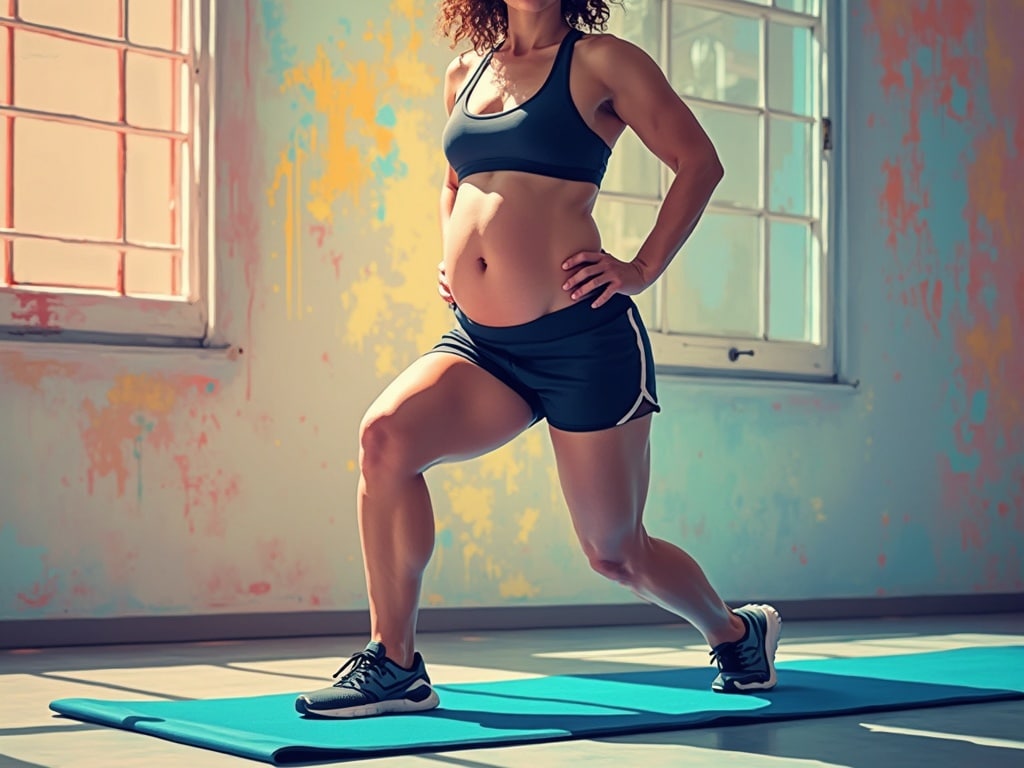
- Lunges: Step forward with one leg and lower your body until both knees are bent at a 90-degree angle.
- Glute Bridges: Lie on your back with your knees bent and lift your hips off the ground, squeezing your glutes at the top.
- Rows (using resistance band or light weights): Stand with your feet shoulder-width apart and pull the band or weights towards your chest, squeezing your shoulder blades together.
Progressing to Weights
As you get stronger, you can gradually increase the intensity of your workouts by adding light weights. Start with dumbbells or resistance bands and focus on proper form. Some great weight training exercises include:
- Dumbbell Squats: Hold a dumbbell in each hand while performing a squat.
- Dumbbell Lunges: Hold a dumbbell in each hand while performing a lunge.
- Dumbbell Rows: Bend over at the waist and pull a dumbbell towards your chest, squeezing your shoulder blades together.
- Overhead Press: Stand with your feet shoulder-width apart and press a dumbbell overhead.
- Bicep Curls: Stand with your feet shoulder-width apart and curl a dumbbell towards your shoulders.
Cardiovascular Exercise: Boosting Energy and Endurance
In addition to strength training, cardiovascular exercise is important for improving your overall fitness level, boosting your energy levels, and aiding in postpartum weight loss.
Safe Cardio Options
- Walking: Start with short walks and gradually increase the distance and intensity.
- Swimming: Swimming is a low-impact exercise that's gentle on your joints.
- Cycling: Cycling is another low-impact option that's great for building leg strength.
- Modified Aerobics: Choose low-impact aerobics classes that are specifically designed for postpartum women.
Nutrition and Hydration: Fueling Your Recovery
Proper nutrition and hydration are essential for supporting your body's recovery and fueling your workouts. Focus on eating a balanced diet that's rich in protein, fruits, vegetables, and whole grains.
Key Nutrients for Postpartum Recovery
- Protein: Protein is essential for repairing and rebuilding muscle tissue.
- Iron: Iron is important for preventing anemia, which is common after childbirth.
- Calcium: Calcium is essential for bone health, especially if you're breastfeeding.
- Vitamin D: Vitamin D helps your body absorb calcium.
- Omega-3 Fatty Acids: Omega-3 fatty acids are beneficial for brain health and can help to reduce inflammation.
Staying Hydrated
Drink plenty of water throughout the day, especially if you're breastfeeding. Aim for at least eight glasses of water per day. Dehydration can lead to fatigue, headaches, and decreased milk supply (if breastfeeding).
Rest and Recovery: Prioritizing Self-Care
Getting enough rest and prioritizing self-care are just as important as exercise and nutrition when it comes to improving strength after pregnancy.
The Importance of Sleep
Sleep deprivation is a common challenge for new mothers. Aim to get as much sleep as possible, even if it means taking naps during the day or asking for help from your partner or family members.
Managing Stress
Stress can negatively impact your physical and mental health. Find healthy ways to manage stress, such as practicing yoga, meditation, or spending time in nature.
Listen to Your Body and Be Patient
Reclaiming your strength after pregnancy is a journey, not a race. Be patient with yourself, listen to your body, and celebrate your progress along the way. Remember that every woman's postpartum experience is different, and there's no right or wrong way to approach it. The most important thing is to prioritize your health and well-being.
Celebrate Your Progress
As you gradually rebuild your strength, take time to acknowledge and celebrate your accomplishments. Every step forward, no matter how small, is a testament to your dedication and hard work. Remember to be kind to yourself and enjoy the process of rediscovering your body's incredible capabilities.