
Postpartum Weight Loss Without Counting Calories: A New Mom's Guide
The whirlwind of pregnancy and childbirth leaves you holding the most precious gift imaginable: your baby. But it can also leave you feeling a little lost in your post-baby body. While society often pressures new mothers to bounce back, the truth is your body has been through an incredible transformation, and it needs time to recover. The good news? You can achieve healthy postpartum weight loss without the stress of counting every single calorie. It’s about nourishing yourself, listening to your body, and making sustainable lifestyle changes.
Why Ditch the Calorie Counting?
Counting calories can feel like a full-time job, especially when you're already juggling sleepless nights, diaper changes, and round-the-clock feedings. Here's why it might not be the best approach for postpartum weight loss:
- Stress and Anxiety: Restricting calories can trigger stress hormones, which can actually hinder weight loss and impact your milk supply if you're breastfeeding.
- Nutrient Deficiencies: Focusing solely on numbers can lead to neglecting nutrient-dense foods crucial for your recovery and your baby's development.
- Unrealistic Expectations: Bouncing back quickly isn't realistic or healthy for most women. Gradual, sustainable weight loss is far more beneficial in the long run.
- Time Consuming: Who has time to track every morsel when you're caring for a newborn? Your energy is better spent bonding with your baby and taking care of yourself.
The Foundation: Nourishing Your Body
Instead of obsessing over numbers, shift your focus to providing your body with the nutrients it needs to heal and thrive. This approach naturally supports weight loss as a byproduct of overall well-being.
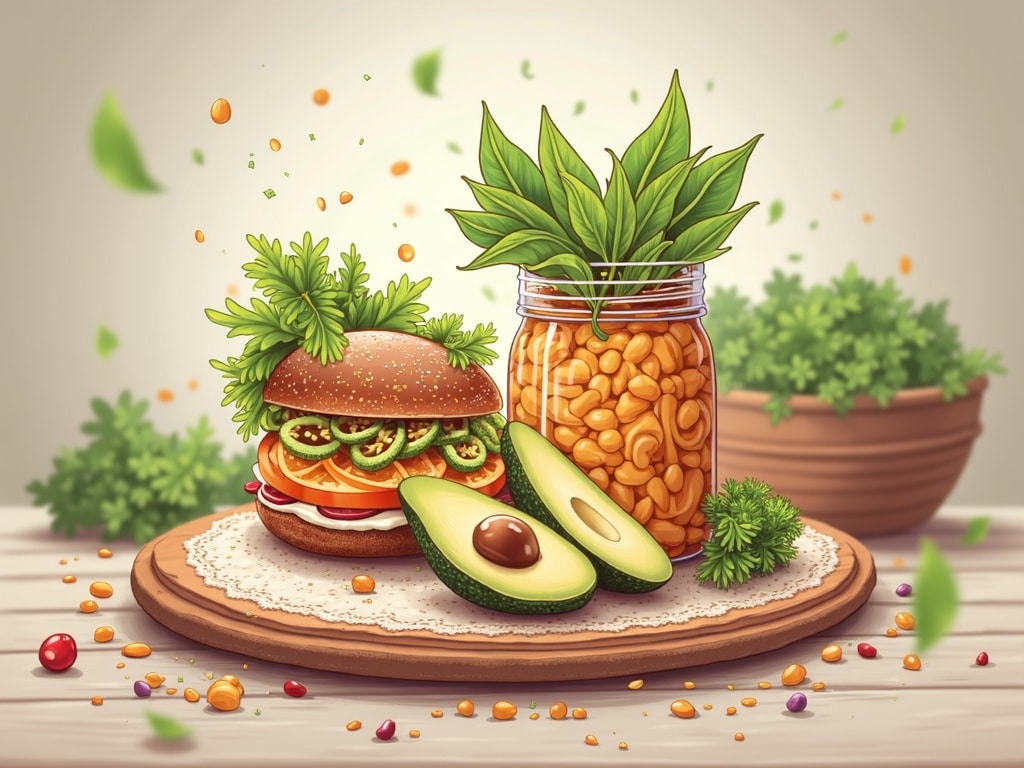
Prioritize Whole, Unprocessed Foods
Think of your plate as a canvas for vibrant, wholesome ingredients. Focus on foods in their natural state, minimizing processed snacks and meals loaded with added sugars, unhealthy fats, and artificial ingredients.
Examples of nutrient-rich choices include:
- Lean Protein: Chicken, fish, beans, lentils, tofu are essential for muscle repair and satiety.
- Fruits and Vegetables: Packed with vitamins, minerals, and fiber, these keep you feeling full and energetic. Choose a rainbow of colors for a variety of nutrients.
- Whole Grains: Oats, quinoa, brown rice offer sustained energy and fiber to aid digestion.
- Healthy Fats: Avocados, nuts, seeds, and olive oil are important for hormone balance and brain function.
Hydrate, Hydrate, Hydrate!
Water is your best friend during the postpartum period. It aids in digestion, helps with milk production (if breastfeeding), and can even help you feel fuller, reducing the likelihood of overeating. Aim for at least eight glasses of water per day, and more if you're active or breastfeeding. Keep a water bottle handy and sip throughout the day.
Listen to Your Hunger Cues
Postpartum, your body is still adjusting to hormonal changes. Pay attention to your hunger and fullness cues. Eat when you're truly hungry, and stop when you're satisfied, not stuffed. Avoid mindless eating in front of the TV or while scrolling through your phone. Focus on savoring each bite and connecting with your body's signals. It takes time to re-learn these cues!
Gentle Exercise: Moving Your Body with Love
Forget high-intensity workouts right away. Your body needs time to heal. Start with gentle forms of exercise that feel good and support your recovery.
Walking: A Simple, Powerful Tool
Walking is an excellent way to ease back into exercise. It's low-impact, accessible, and can be done with your baby in a stroller. Start with short walks and gradually increase the duration and intensity as you feel stronger.
Postnatal Yoga or Pilates
These practices focus on strengthening your core and pelvic floor muscles, which are often weakened during pregnancy and childbirth. Look for classes specifically designed for postpartum women.
Listen to Your Body
This is the golden rule of postpartum exercise. If something feels painful or uncomfortable, stop immediately. Don't push yourself too hard; your body is still recovering. Aim for progress, not perfection.
Prioritizing Sleep (Even When It Feels Impossible)
Sleep deprivation is a common challenge for new parents, but it's essential for your health and weight loss efforts. Lack of sleep can disrupt hormones that regulate appetite, leading to increased cravings for unhealthy foods and decreased motivation to exercise.
Nap When the Baby Naps
This classic advice is still relevant. Forget about the laundry or other chores; prioritize rest whenever your baby is sleeping.
Create a Relaxing Bedtime Routine
Wind down before bed with a warm bath, a cup of herbal tea, or some light reading. Avoid screens at least an hour before bedtime.
Ask for Help
Don't be afraid to ask your partner, family, or friends to help with the baby so you can get some much-needed rest. Even a few extra hours of sleep can make a big difference.
Stress Management: Finding Your Calm
Stress can sabotage your weight loss efforts by increasing cortisol levels, which can lead to increased appetite and fat storage. Find healthy ways to manage stress and nurture your emotional well-being.
Mindfulness and Meditation
Even a few minutes of daily mindfulness or meditation can help calm your mind and reduce stress levels. There are many free apps and online resources to guide you.
Connect with Other Moms
Joining a new parent support group can provide a sense of community and reduce feelings of isolation and stress. Sharing experiences with others who understand what you're going through can be incredibly helpful.
Delegate and Say No
Don't try to do everything yourself. Delegate tasks to others and learn to say no to commitments that will add unnecessary stress to your life. Your priority is taking care of yourself and your baby.
Breastfeeding and Weight Loss
Breastfeeding can actually aid in postpartum weight loss for many women, as it burns extra calories. However, it's crucial to ensure you're consuming enough calories to support milk production and your own nutritional needs.
Don't Restrict Calories Too Severely
If you're breastfeeding, avoid drastically restricting calories, as this can affect your milk supply. Focus on eating nutrient-dense foods and listening to your body's hunger cues.
Stay Hydrated
Breastfeeding can make you even more thirsty, so it's important to drink plenty of water throughout the day.
Consult with a Lactation Consultant or Registered Dietitian
If you have concerns about your milk supply or weight loss while breastfeeding, seek guidance from a qualified professional.
Long-Term Sustainable Habits
The key to successful postpartum weight loss without counting calories is to focus on building long-term sustainable habits. This isn't about a quick fix; it's about creating a healthy lifestyle that you can maintain for years to come.
Set Realistic Goals
Don't expect to lose all the baby weight overnight. Aim for gradual, steady progress. Focus on feeling good and improving your overall health, rather than obsessing over the numbers on the scale.
Be Patient and Kind to Yourself
Your body has been through an incredible journey. Be patient with yourself and celebrate your progress along the way. Remember that postpartum weight loss is a marathon, not a sprint.
Focus on Progress, Not Perfection
There will be days when you don't eat perfectly or exercise as much as you'd like. That's okay. Don't beat yourself up about it. Just get back on track the next day and keep moving forward.
Embrace the Journey
Postpartum weight loss is a personal journey, and there's no one-size-fits-all approach. Focus on nourishing your body, moving your body with love, prioritizing sleep, managing stress, and building sustainable habits. By ditching the calorie counting and tuning into your body's needs, you can achieve healthy weight loss while enjoying this precious time with your little one. Remember, you are amazing, and your body is incredible. Embrace the journey, and celebrate every step of the way!