

Firming Up After Weight Loss Postpartum: A Comprehensive Guide
The journey through pregnancy and childbirth is nothing short of miraculous. Your body undergoes incredible changes to nurture and bring a new life into the world. After the arrival of your little one, it's natural to focus on reclaiming your pre-pregnancy physique. Weight loss is often a significant part of this process, but losing weight is only half the battle. Many new mothers find themselves facing a new challenge: firming up after weight loss postpartum.
Understanding Postpartum Body Changes
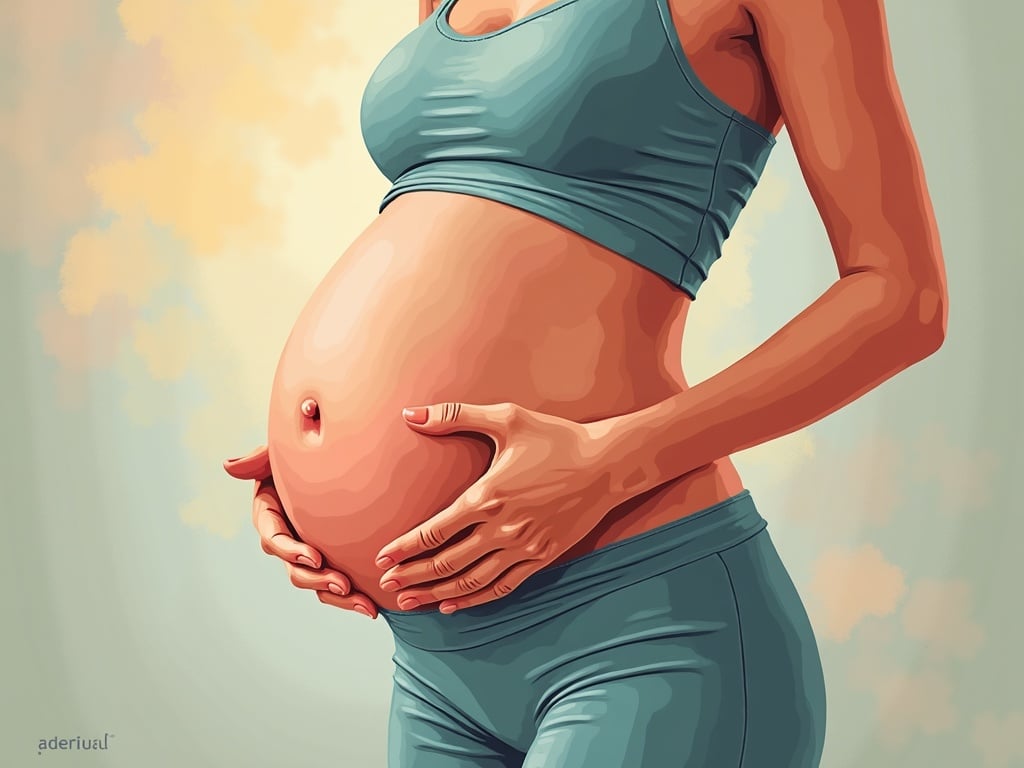
Pregnancy hormones, particularly relaxin, loosen ligaments and joints to prepare the body for childbirth. Your abdominal muscles stretch significantly to accommodate a growing baby. Skin expands to make room for your little one. After delivery, these changes don't simply vanish overnight. Here's a breakdown:
- Muscle Separation (Diastasis Recti): The rectus abdominis muscles (the six-pack muscles) can separate during pregnancy, leaving a gap down the center of your abdomen.
- Skin Elasticity: While skin does have some elasticity, significant stretching can result in loose skin, especially around the abdomen, thighs, and breasts.
- Hormonal Shifts: Postpartum hormonal changes can affect metabolism and muscle tone.
- Fat Distribution: Pregnancy can alter how your body stores fat.
Setting Realistic Expectations
It's vital to be patient and kind to yourself during this process. Your body has been through a major transformation, and it takes time to recover. Avoid comparing yourself to celebrities or other new mothers. Focus on making gradual, sustainable changes. Recognize that bouncing back isn't always realistic or healthy. Aim for strength, health, and feeling good in your own skin. Remember that firming up after weight loss postpartum is a marathon, not a sprint.
The Pillars of Postpartum Firming: Diet, Exercise, and Lifestyle
Firming up after weight loss postpartum requires a holistic approach that combines a healthy diet, targeted exercise, and smart lifestyle choices.
1. Nutritional Strategies for Firming
What you eat plays a huge role in muscle repair, collagen production, and overall body composition.
- Prioritize Protein: Protein is essential for building and repairing muscle tissue. Aim for lean protein sources like chicken, fish, beans, lentils, tofu, and Greek yogurt.
- Hydrate Adequately: Water helps maintain skin elasticity and supports metabolic processes. Aim for at least eight glasses of water per day, especially if you are breastfeeding.
- Load Up on Collagen-Boosting Foods: Collagen is a protein that provides structure and elasticity to the skin. Foods rich in vitamin C, such as citrus fruits, berries, and bell peppers, support collagen production. Bone broth is another source of collagen.
- Healthy Fats are Your Friend: Include healthy fats from avocados, nuts, seeds, and olive oil in your diet. These fats are important for hormone production and overall health.
- Limit Processed Foods, Sugary Drinks, and Excessive Sugar: These can contribute to inflammation and hinder your progress.
2. Exercise: Your Firming Arsenal
Exercise is crucial for building muscle mass, improving skin elasticity, and burning fat. However, it's essential to approach exercise safely and gradually, especially in the early postpartum period. Always consult with your doctor before starting an exercise program.
a. Core Strengthening Exercises
These exercises focus on repairing diastasis recti and strengthening your abdominal muscles.
- Diastasis Recti Check: Before starting any core exercises, check for diastasis recti. Lie on your back with your knees bent and feet flat. Gently press your fingers into your abdomen along the midline, just above and below your belly button. If you feel a gap of more than 1-2 finger widths, you likely have diastasis recti.
- Gentle Core Engagement: Start with gentle core engagement exercises, such as drawing your belly button towards your spine (transverse abdominis activation) while lying down. Hold for a few seconds and repeat.
- Pelvic Tilts: Lie on your back with your knees bent and feet flat. Gently tilt your pelvis forward and backward, engaging your abdominal muscles.
- Heel Slides: Lie on your back with your knees bent. Slowly slide one heel away from your body, keeping your core engaged, then slide it back in.
- Avoid Crunches and Sit-Ups Initially: These exercises can worsen diastasis recti.
b. Strength Training
Strength training is essential for building muscle mass and boosting your metabolism.
- Bodyweight Exercises: Start with bodyweight exercises like squats, lunges, push-ups against a wall, and planks (modified on your knees if needed).
- Gradually Introduce Weights: As you get stronger, gradually introduce light weights using dumbbells, resistance bands, or weight machines.
- Focus on Compound Exercises: Compound exercises work multiple muscle groups simultaneously, maximizing your results. Examples include squats, deadlifts, lunges, rows, and chest presses.
- Prioritize Proper Form: Proper form is crucial to prevent injuries. If you're unsure about proper form, consider working with a certified personal trainer.
c. Cardiovascular Exercise
Cardio helps burn calories and improve cardiovascular health.
- Walking: Walking is a great low-impact exercise that you can start soon after delivery.
- Swimming: Swimming is another low-impact option that's gentle on your joints.
- Cycling: Cycling is a good way to build leg strength and endurance.
- High-Intensity Interval Training (HIIT): Once you're cleared for more strenuous exercise, HIIT can be an effective way to burn calories and improve cardiovascular fitness. However, start slowly and gradually increase the intensity.
3. Lifestyle Adjustments for Optimal Firming
Beyond diet and exercise, certain lifestyle adjustments can further enhance your efforts.
- Prioritize Sleep: Sleep deprivation can hinder muscle recovery and increase stress hormones, making it harder to lose weight and firm up. Aim for at least 7-8 hours of sleep per night, even if it means asking for help with nighttime feedings.
- Manage Stress: Chronic stress can lead to increased cortisol levels, which can contribute to fat storage and muscle breakdown. Practice stress-reducing activities like yoga, meditation, or spending time in nature.
- Breastfeeding (Optional): Breastfeeding can help you burn extra calories and may contribute to faster weight loss for some women. However, it's important to note that breastfeeding can also increase appetite, so it's essential to maintain a healthy diet.
- Stay Active Throughout the Day: Incorporate movement into your daily routine. Take the stairs instead of the elevator, walk during your lunch break, or do some light stretching while watching TV.
- Dry Brushing: Some people find that dry brushing helps to improve circulation and reduce the appearance of cellulite. Use a natural bristle brush and brush towards your heart in gentle, circular motions.
Addressing Specific Areas of Concern
Many women have specific areas they want to target when firming up after weight loss postpartum.
1. Abdomen
The abdomen is often a major focus for new mothers. In addition to the core exercises mentioned above, consider these strategies:
- planks: Planks are superior for core strengthening .
- Pilates: Pilates exercises can help strengthen your core and improve posture.
- Consider Professional Help: If diastasis recti is severe or doesn't improve with exercise, consult with a physical therapist specializing in postpartum rehabilitation.
2. Breasts
Breastfeeding and hormonal changes can affect breast size and shape. Unfortunately, there aren't targeted exercises to lift the breasts, but you can strengthen the pectoral muscles underneath to improve support.
- Chest Presses: Use dumbbells or a weight machine to perform chest presses.
- Push-Ups: Perform push-ups against a wall or on your knees.
- Flyes: Use dumbbells to perform chest flyes.
Wearing a supportive bra is also crucial for maintaining breast shape and preventing discomfort.
3. Thighs and Buttocks
Squats, lunges, and glute bridges are excellent exercises for toning the thighs and buttocks.
- Squats: Perform squats with proper form, ensuring your knees don't extend past your toes.
- Lunges: Perform forward, reverse, and lateral lunges.
- Glute Bridges: Lie on your back with your knees bent and feet flat. Lift your hips off the ground, squeezing your glutes at the top.
- Hip Thrusts: Use a barbell or dumbbells to perform hip thrusts.
- Deadlifts: Deadlifts are a great compound exercise that works the glutes, hamstrings, and back.
The Role of Skin Care
While exercise and diet are essential for firming up after weight loss postpartum, proper skin care can also play a role in improving skin elasticity and reducing the appearance of loose skin.
- Moisturize Regularly: Keep your skin hydrated by applying a rich moisturizer daily. Look for ingredients like hyaluronic acid, collagen, and vitamin E.
- Exfoliate Gently: Exfoliating helps remove dead skin cells and promotes cell turnover. Use a gentle scrub or exfoliating glove once or twice a week.
- Consider Topical Creams: Some topical creams contain ingredients like retinol or peptides that may help improve skin elasticity. However, consult with your doctor before using these products, especially if you are breastfeeding.
When to Seek Professional Help
While many women can successfully firm up after weight loss postpartum on their own, there are times when seeking professional help is beneficial.
- Severe Diastasis Recti: If you have severe diastasis recti that doesn't improve with exercise, consult with a physical therapist specializing in postpartum rehabilitation.
- Loose Skin: If you have significant loose skin that doesn't improve with diet and exercise, you may want to consider consulting with a plastic surgeon. Surgical options like a tummy tuck can remove excess skin and tighten the abdominal muscles. Keep in mind this should only be a consideration when you are finished having children.
- Mental Health: Postpartum depression and anxiety are common. If you're struggling with your mental health, seek help from a therapist or counselor.
- Nutritional Guidance:Meeting with a Registered Dietician could help you optimize your metabolism!
Conclusion
Firming up after weight loss postpartum is a journey that requires patience, consistency, and self-compassion. By combining a healthy diet, targeted exercise, smart lifestyle choices, and proper skin care, you can achieve your goals and feel confident in your post-baby body. Remember to listen to your body, celebrate your progress, and prioritize your well-being along the way. You've got this!